
Pakistani culture is full of colorful traditions, creative designs, and handmade crafts that reflect the country's history and artistic identity. One of the most recognizable examples is truck art, a vibrant style of decoration that transforms ordinary objects into beautiful works of art. Although it originally became famous for decorating trucks, this traditional art form has expanded into many everyday products, including trays, bags, lamps, home accessories, and decorative gifts.
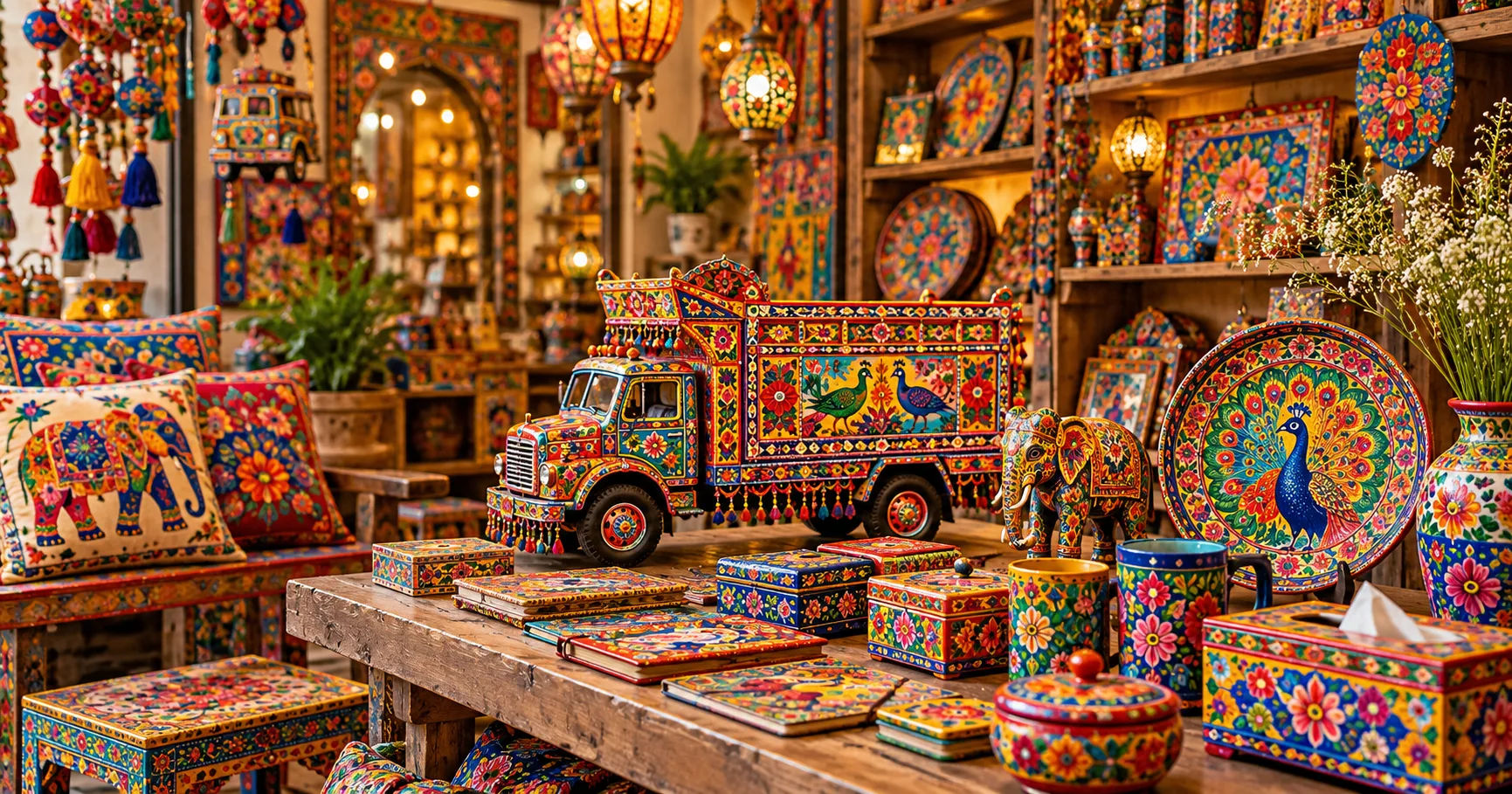
The popularity of these products comes from their bright colors, detailed patterns, cultural symbols, and handmade appeal. They allow people to enjoy traditional Pakistani art in practical and modern ways. A decorated tray can brighten a dining table, a colorful bag can express personal style, and an artistic lamp can create a distinctive atmosphere in a living room.
But why has this decorative tradition become so popular beyond vehicles? The answer lies in its cultural importance, artistic value, versatility, and ability to combine traditional craftsmanship with contemporary lifestyles.
This comprehensive guide explores why truck art is used on trays, bags, and lamps, how these products are made, and why they continue to attract customers in Pakistan and around the world.
The Origins of Truck Art
truck art decoration has a long-standing place in Pakistan's transportation culture. Truck owners traditionally decorate their vehicles with elaborate paintings, colorful borders, reflective materials, floral patterns, landscapes, poetry, and symbolic images.
These decorations are not simply designed to make vehicles attractive. They often communicate personal beliefs, regional identity, humor, affection, and pride. Drivers may choose specific images or messages that reflect their personalities and experiences.
Over time, the artistic techniques associated with decorated trucks became recognized as an important part of Pakistan's visual culture.
From Vehicles to Everyday Objects
As people began appreciating these designs beyond the roads, artists and craft businesses adapted them for smaller products. Instead of decorating only large vehicles, artisans started applying similar colors, patterns, and motifs to household items, accessories, and gifts.
This change made the art accessible to people who might not own a truck or live near a traditional truck-decorating workshop.
Today, customers can purchase decorative objects that preserve the spirit of this tradition while fitting comfortably into modern homes and everyday routines.
Why Is Truck Art Used on Trays?
Trays are among the most practical items for decorative painting because they offer a broad, relatively flat surface. This allows artisans to create detailed designs while producing something that can still serve a useful purpose.
Combining Beauty With Everyday Function
A tray is usually used for serving tea, carrying snacks, presenting desserts, or organizing small items. When decorated with traditional patterns, it becomes more than a functional household object.
A colorful tray can become an attractive centerpiece during family gatherings, celebrations, and special occasions. It can also add personality to a kitchen, dining room, or coffee table.
For many buyers, this combination of usefulness and visual appeal makes decorated trays an appealing purchase.
Creating Distinctive Home Decor
Modern homes often include decorative accessories that reflect the owner's personality and cultural interests. Traditional Pakistani designs offer an alternative to mass-produced products that look similar across many stores.
A tray featuring flowers, geometric borders, birds, or bright contrasting colors can introduce warmth and character into a room.
Some people display these trays on shelves or walls rather than using them for serving. In this way, the tray functions as both a practical accessory and a decorative artwork.
Suitable for Gifts and Special Occasions
Decorated trays are also popular as gifts because they combine usefulness with cultural meaning. They can be presented at weddings, birthdays, housewarming celebrations, and family events.
A handmade tray may feel more personal than an ordinary factory-produced gift. Its patterns and colors can also be selected to suit the recipient's preferences or the occasion.
For overseas Pakistanis, these products can provide a meaningful connection to their heritage.
Why Is Truck Art Used on Bags?
Bags are another excellent surface for traditional decoration. Unlike trays, which are usually kept at home, bags allow people to carry colorful designs into public spaces.
Expressing Personal Style
Fashion is one way people communicate their personalities and interests. A bag decorated with bold colors, flowers, traditional patterns, or cultural symbols can become a distinctive fashion accessory.
Many conventional bags use neutral colors and simple designs. By contrast, a traditional Pakistani-inspired bag can stand out because of its expressive artwork.
Students, travelers, shoppers, and people who enjoy colorful accessories may choose these products to create a more individual look.
Bringing Traditional Art Into Modern Fashion
One important reason for the popularity of decorated bags is their ability to connect traditional craftsmanship with contemporary fashion.
Artisans may apply traditional designs to tote bags, handbags, purses, fabric pouches, and shopping bags. These products can be paired with everyday clothing, casual outfits, or culturally inspired fashion.
Some designs preserve traditional motifs, while others use simplified patterns or modern color combinations to appeal to younger customers.
This flexibility helps keep traditional art relevant to changing fashion preferences.
Supporting Reusable and Practical Accessories
When made from durable materials, decorated bags can serve as reusable alternatives to disposable shopping bags. Fabric tote bags, for example, can be used for groceries, books, personal belongings, or everyday shopping.
Their decorative appearance may encourage people to carry them regularly rather than treating them as occasional accessories.
However, sustainability depends on the materials used, the manufacturing process, and how long the bag lasts. A reusable bag offers the greatest environmental benefit when it replaces disposable alternatives and remains in use for a long time.
Making Cultural Art More Accessible
A decorated bag allows customers to appreciate traditional craftsmanship without purchasing an expensive painting or a large decorative object.
Because bags are available in different sizes, materials, and price ranges, they can appeal to a wide audience.
They also introduce traditional Pakistani designs to people who may be unfamiliar with their origins. In this way, an everyday accessory can help share cultural heritage across communities and countries.
Why Is Truck Art Used on Lamps?
Lamps provide a different opportunity for artistic expression. Their surfaces can be decorated with painted patterns, cutout designs, colorful panels, or traditional motifs that interact with light.
Creating Warm and Attractive Lighting
Lighting has a major effect on the appearance of a room. A plain lamp can provide illumination, but a decorated lamp can also become an important part of the interior design.
When traditional artwork is combined with a suitable lampshade or decorative frame, the result can create a warm and inviting atmosphere.
Colors, shapes, and patterns help the lamp complement other furnishings while adding a distinctive visual feature.
Turning Ordinary Lighting Into Artistic Decor
Decorative lamps can be placed on bedside tables, desks, side tables, shelves, and other suitable surfaces.
A lamp featuring traditional designs can attract attention even when it is switched off. When illuminated, its colors and patterns may create a different visual effect, depending on the materials and construction.
This combination of art and function makes decorated lamps appealing to people who want their homes to feel personal rather than purely practical.
Blending Traditional and Contemporary Interiors
Traditional Pakistani artwork can work well in a variety of interior styles. In a contemporary room, a brightly decorated lamp can provide contrast against neutral walls and simple furniture.
In a more traditional setting, it can complement embroidered textiles, wooden furniture, handmade cushions, and other culturally inspired accessories.
Designers and homeowners can choose lamps with subtle patterns for a balanced appearance or bold colors for a stronger decorative statement.
Choosing Safe and Durable Lamps
Although appearance matters, safety is especially important when selecting decorated lighting products.
The lamp's electrical components should be properly manufactured, and the materials near the bulb must be suitable for the heat produced during operation. Paper, fabric, paint, and other decorative materials should not obstruct ventilation or come into unsafe contact with hot components.
Buyers should follow the manufacturer's instructions, use compatible bulbs, and choose products that have been designed for their intended electrical and lighting applications.
The Artistic Features That Make These Products Special
Bright Colors and Bold Patterns
One of the most recognizable characteristics of traditional truck decoration is its energetic use of color.
Red, blue, green, yellow, orange, and other vivid shades may be combined to create striking contrasts. Floral patterns, geometric shapes, decorative borders, and repeated motifs help bring visual balance to these combinations.
On trays, these patterns can cover the central surface and edges. On bags, they can appear as panels, borders, or all-over prints. On lamps, they may follow the shape of the frame or shade.
The same artistic language can therefore be adapted to objects of different sizes and shapes.
Flowers, Birds, and Cultural Symbols
Floral designs are frequently used because they are visually appealing and easy to adapt to different products. Birds, landscapes, decorative lettering, and regional motifs may also appear in traditional designs.
Some imagery carries personal or cultural meaning, while other elements are selected mainly for their decorative value.
Artisans may reinterpret these features to suit the shape of a particular product. For example, a tray may feature a central floral arrangement, while a bag may use a smaller repeated motif.
Handmade Details and Individual Character
Hand-painted and handmade products often contain small variations in color, line thickness, or pattern placement.
These differences can give an item an individual character that is difficult to reproduce exactly in mass production.
However, not every product marketed as traditional art is entirely handmade. Some items use printed designs, machine-produced patterns, or a combination of handmade and industrial techniques.
Customers who value traditional craftsmanship should check how the product was made and whether the seller provides information about the materials and production process.
How Are Truck Art Products Made?
The manufacturing process varies according to the object, the artisan, and the materials involved. Nevertheless, several common steps help explain how these decorative products are created.
Selecting the Right Material
The first step is choosing a suitable base material. Trays may be made from wood, metal, or other rigid materials. Bags may use cotton, canvas, synthetic fabric, or leather-like materials. Lamps may incorporate wood, metal, glass, fabric, or other components.
The material influences the design method, durability, weight, and final appearance.
Preparing the Surface
Before painting or applying decorative elements, artisans generally prepare the surface so that the design adheres properly.
Depending on the material, preparation may involve cleaning, sanding, priming, or applying a suitable base coat.
Fabric products may require printing, embroidery, painting, or the attachment of decorative panels instead.
Creating the Design
The artist plans the colors, patterns, and placement of the decorative elements. Some artisans draw designs by hand, while others use templates or stencils to maintain consistency.
The design must suit the object's dimensions and intended use. A tray needs a pattern that does not interfere with its practical function, while a bag requires decoration that can withstand regular handling.
Applying Finishing Touches
After the main design is complete, a suitable protective finish may be applied where appropriate. The correct finish depends on the surface and the intended use of the item.
For example, a tray used for serving food needs different care and surface considerations from a tray intended only for display.
Bags may require durable stitching and colorfast materials, while lamps need secure assembly and safe electrical components.
The Cultural and Economic Importance of Truck Art Products
Preserving Traditional Craftsmanship
Adapting traditional artwork to everyday products helps preserve artistic techniques and introduces them to new audiences.
When people buy these items, they may develop a greater appreciation for the creativity behind Pakistani decorative traditions.
Demand can also encourage artisans to continue developing their skills and passing techniques to younger generations.
However, meaningful preservation requires more than using traditional patterns. It also involves recognizing the artists, respecting the cultural origins of the designs, and supporting skilled craftsmanship.
Creating Opportunities for Artisans and Small Businesses
Decorated trays, bags, and lamps can provide opportunities for independent artists, craft workshops, local retailers, and small businesses.
Products can be sold through craft markets, gift shops, home decor stores, exhibitions, and online marketplaces.
Small businesses may also create customized items for weddings, corporate gifts, tourism, and special events.
The income generated depends on production costs, demand, product quality, and the way the business operates. Fair payment and clear communication about how products are made are important for maintaining a healthy craft industry.
Introducing Pakistani Culture to International Customers
Traditional decorative products can help communicate aspects of Pakistani culture to international audiences.
A colorful bag or lamp may attract attention because of its unusual patterns and expressive style. Customers who purchase these products may also become interested in the cultural traditions behind the artwork.
This creates opportunities for cultural exchange while allowing artisans and businesses to reach customers beyond their local markets.
How to Choose Quality Truck Art Products
Examine the Materials and Construction
Before purchasing a tray, bag, or lamp, inspect the material and overall construction.
For trays, look for a stable base, smooth edges, and a finish appropriate for the intended use. For bags, check the stitching, handles, closures, and fabric quality. For lamps, inspect the stability of the base and the quality of the electrical components.
Beautiful artwork cannot compensate for poor construction when an item is expected to be used regularly.
Consider the Intended Purpose
Think about whether the product will be used daily, displayed occasionally, or given as a gift.
A decorative tray intended for display may need less resistance to moisture than a tray used for serving. An everyday bag needs durable stitching and easy-care materials. A lamp requires safe construction as well as an attractive appearance.
Choosing according to the intended purpose helps ensure better long-term value.
Check the Quality of the Decoration
Look for designs with clear details, well-applied colors, and a finish appropriate for the material.
Small variations can be natural in handmade products, but peeling paint, loose decorative pieces, weak stitching, and poorly finished edges may indicate quality problems.
If authenticity matters to you, ask whether the item is hand-painted, printed, or made using a combination of methods.
Support Responsible Sellers
Where possible, purchase from sellers who provide clear information about the product's origin, materials, care requirements, and production methods.
Buying directly from artisans or reputable craft businesses can make it easier to understand the work involved in creating an item.
It can also help customers make informed decisions about quality, authenticity, and the value of the craftsmanship.
Caring for Truck Art Trays, Bags, and Lamps
Proper care helps preserve the colors and condition of decorative products.
For trays, follow the seller's cleaning instructions and avoid soaking wooden or unsealed surfaces. Do not assume that a painted tray is safe for direct food contact unless the manufacturer confirms that its finish is suitable for that purpose.
For bags, check the fabric's cleaning requirements. Gentle spot cleaning may be appropriate for some materials, while others may need professional care. Avoid prolonged exposure to sunlight if the colors are likely to fade.
For lamps, switch off and unplug the product before cleaning. Use a soft, dry or appropriately damp cloth according to the manufacturer's instructions, and keep moisture away from electrical components.
Avoid harsh chemicals and abrasive cleaning tools that could damage the artwork.
The Future of Truck Art in Modern Design
The continued use of traditional Pakistani artwork on household accessories and fashion products shows how cultural traditions can evolve without losing their identity.
Designers can introduce new color combinations, contemporary shapes, improved materials, and different production methods while preserving recognizable artistic features.
Online shopping and social media also make it easier for small craft businesses to showcase their products to wider audiences. Customers can discover handmade accessories, compare designs, and learn about the people behind the artwork.
At the same time, businesses should avoid treating cultural decoration as a meaningless trend. Respect for artistic origins, fair compensation, and honest descriptions of production methods help ensure that the tradition benefits the people who sustain it.
The future of these products will depend on balancing creative experimentation with cultural understanding and reliable quality.
Conclusion
Truck art is used on trays, bags, and lamps because it transforms everyday objects into colorful expressions of creativity, culture, and personal style. Its bright colors, detailed patterns, floral motifs, and traditional symbols make ordinary household accessories and fashion items more distinctive.
On trays, the artwork combines practical serving functions with attractive home decor. On bags, it brings traditional craftsmanship into everyday fashion and allows people to express their individuality. On lamps, it combines decorative beauty with functional lighting, helping create warm and memorable interior spaces.
These products also have a wider significance. They can help preserve Pakistani artistic traditions, create opportunities for artisans, support small businesses, and introduce cultural designs to international audiences.
Choosing quality materials, caring for finished products properly, and supporting responsible sellers can help customers enjoy these items for longer. It is equally important to recognize the craftsmanship and cultural knowledge behind the designs rather than viewing them only as decorative trends.
Ultimately, the appeal of truck art lies in its ability to connect tradition with modern life. By bringing this expressive art form into homes, wardrobes, and living spaces, trays, bags, and lamps allow people to appreciate Pakistani creativity in practical and meaningful ways.