
Burgers are among the most popular fast-food meals in the United States. From classic cheeseburgers to crispy smash burgers, they offer a combination of savory meat, soft buns, fresh vegetables, melted cheese, and flavorful sauces. For people who follow halal dietary guidelines, however, choosing a burger involves more than looking at the menu. They also want to know where the meat comes from, how it is prepared, and whether the ingredients meet their dietary requirements.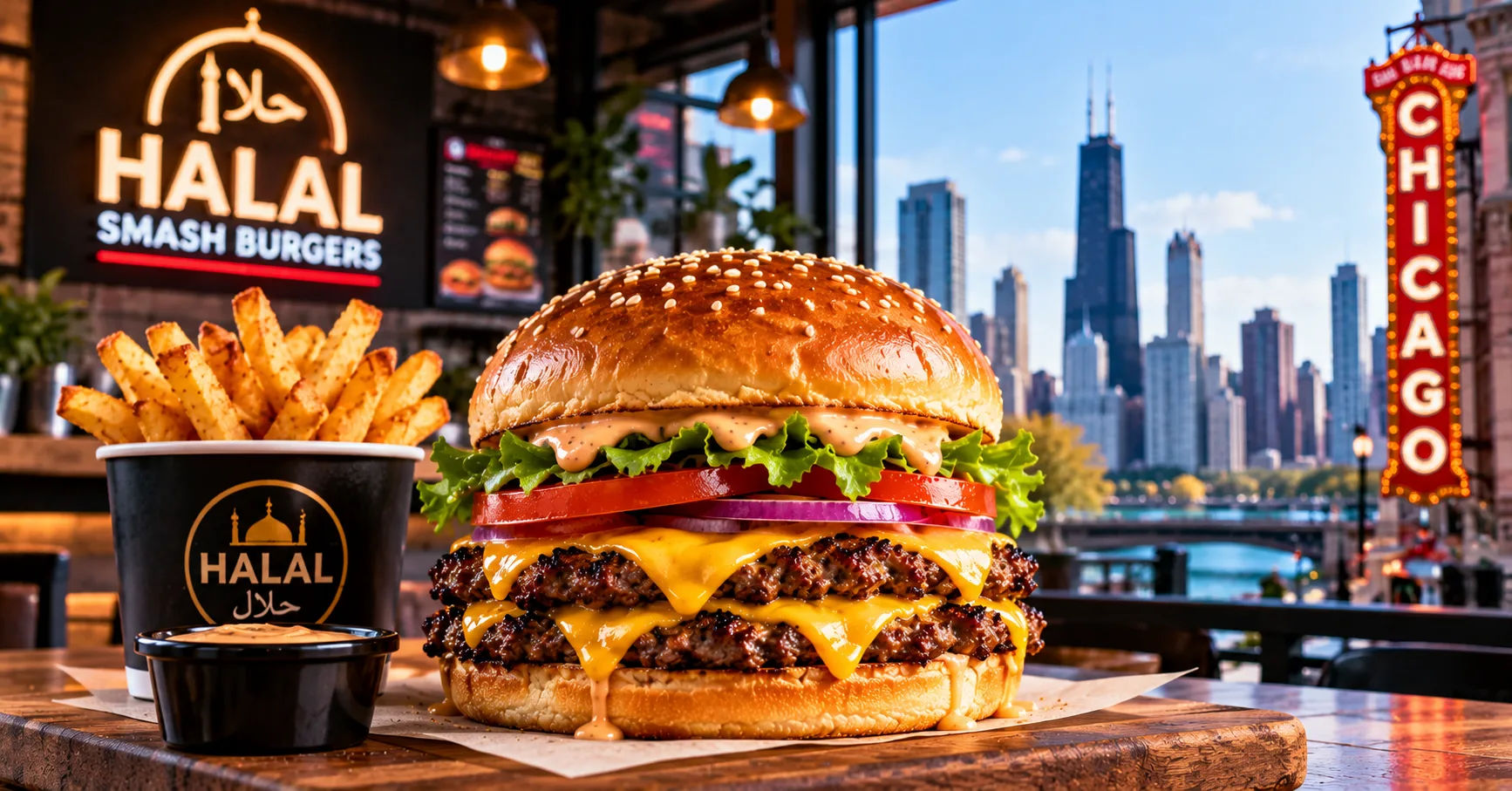
The answer is yes: many halal burger restaurants serve beef, and beef is one of the most common choices for traditional burgers. If you are considering a Halal Burger Restaurant in Chicago, you can often find beef patties prepared with familiar toppings such as lettuce, tomatoes, onions, pickles, and cheese. The important distinction is that the beef must come from an appropriate halal source and meet applicable Islamic dietary requirements.
Chicago has a diverse food scene, with restaurants serving everything from classic American burgers to gourmet smash burgers and international-inspired creations. Halal-friendly restaurants can offer many of these same flavors while catering to customers who want food prepared according to their religious dietary practices. However, individual menus and sourcing policies vary, so it is always sensible to confirm the details with a particular restaurant.
This comprehensive guide explores whether halal burger restaurants in Chicago use beef, what makes their beef halal, which burger options you may encounter, how to check a restaurant's practices, and what to consider when ordering your next meal.
Do Halal Burger Restaurants in Chicago Use Beef?
Yes, many halal burger restaurants in Chicago use beef as a primary ingredient. Beef patties are a familiar part of American burger culture, and halal restaurants can serve them as long as the meat meets the relevant halal requirements.
The beef may be served as a traditional thick patty, a thin smash burger, a double cheeseburger, or a gourmet burger with specialty toppings. Some restaurants also offer beef sliders, spicy burgers, and burgers inspired by regional or international cuisines.
However, not every restaurant has the same menu. Some focus mainly on beef, while others specialize in chicken, lamb, or plant-based alternatives. Certain establishments offer several meat options so that customers can choose according to their preferences.
It is therefore important to distinguish between two questions: whether halal burgers can contain beef, and whether a particular restaurant currently serves it. The first answer is yes. The second depends on the restaurant's menu and sourcing practices.
Why Beef Is a Popular Choice
Beef has a rich, savory flavor that works well with common burger ingredients. Its natural fat helps create a juicy patty, while cooking it on a hot grill or griddle produces a browned exterior.
Ground beef is also versatile. Restaurants can season it simply with salt and pepper or combine it with herbs, spices, and signature sauces.
For customers who enjoy classic American burgers, halal beef provides a familiar option without requiring them to compromise on their dietary preferences.
What Makes Beef Halal?
The word halal means permissible under Islamic law. In the context of a beef burger, it refers to the acceptability of the meat and the way it is sourced and handled.
Beef does not automatically become halal simply because it comes from a cow. The animal must be permissible for consumption, and the meat must meet applicable Islamic slaughter requirements.
Halal Slaughter and Meat Sourcing
Halal beef comes from cattle slaughtered according to recognized Islamic requirements. Restaurants commonly obtain their meat through suppliers that specialize in halal products.
Some suppliers provide halal certification from an appropriate certifying organization. Such certification can help restaurants and customers verify that the meat meets the relevant standard.
When dining out, customers can ask whether the restaurant uses certified halal beef, which supplier it works with, and whether it can provide further information about its sourcing practices.
Ingredient and Preparation Requirements
The meat is only one part of the burger. Seasonings, marinades, sauces, cheese, and other processed ingredients may also require checking.
For example, a beef patty seasoned with ordinary salt and pepper may be straightforward, but a prepared marinade or specialty sauce could contain ingredients that need further verification.
Restaurants should also use suitable food-handling practices to prevent contact with prohibited ingredients, such as pork, and follow the requirements of the halal standard they claim to meet.
A reliable restaurant should be willing to answer reasonable questions about its ingredients and preparation procedures.
What Types of Beef Burgers Can You Find?
A Halal Burger Restaurant in Chicago may offer several different beef burger styles, depending on its menu, cooking methods, and target customers. Understanding the main options can help you choose a meal that matches your taste.
Classic Beef Cheeseburger
This familiar option usually includes a beef patty, cheese, lettuce, tomato, onions, pickles, and a sauce. It is ideal for customers who enjoy a traditional burger without too many extra ingredients.
Smash Burger
A smash burger is made by pressing ground beef onto a hot flat cooking surface. This produces thin patties with browned, crispy edges and a rich beef flavor. Some restaurants serve two patties with melted cheese and pickles.
Gourmet Beef Burger
Gourmet versions may feature premium beef blends, caramelized onions, specialty cheese, mushrooms, and house-made sauces. Ask about the ingredients in specialty toppings if you need to verify their halal status.
Chili sauce, jalapeños, hot peppers, or spicy mayonnaise give this burger extra heat. The level of spice varies by restaurant, so ask whether the sauce is mild, medium, or hot.
These examples describe common burger styles, not a verified menu from every restaurant in Chicago. Availability, ingredients, and preparation methods vary between establishments.
How Can You Tell Whether a Chicago Burger Restaurant Uses Halal Beef?
When searching for a Halal Burger Restaurant in Chicago, it is worth checking the restaurant's actual policies rather than relying entirely on its name or advertising.
The word halal on a menu can be a useful starting point, but customers who want certainty should look for specific information about meat sourcing and food preparation.
1. Look for Halal Certification
Check the restaurant's website, menu, or premises for information about halal certification. If a certifying organization is named, you can ask which products and locations the certification covers.
Certification practices vary, and not every establishment uses the same organization. The important point is to determine whether the documentation applies to the beef being served at the restaurant you intend to visit.
2. Ask Staff About the Beef Supplier
A straightforward question can often clarify the situation: “Is all your beef halal-certified, and can you tell me about your supplier?”
Staff may be able to explain whether the restaurant receives prepared patties or makes its own patties from ground beef. They may also know whether the supplier provides halal documentation.
If the answer is unclear, you can ask whether a manager is available to explain the restaurant's sourcing policy.
3. Check Whether All Beef Options Are Halal
Some establishments serve multiple types of meat. Even if one beef burger is halal, you should not assume that every meat product, marinade, or specialty item has identical sourcing.
Ask whether the restaurant's beef patties all come from the same halal supplier and whether different menu items have different preparation requirements.
4. Ask About Shared Grills and Cooking Surfaces
Shared equipment can be an important consideration. A restaurant may prepare different meats in the same kitchen, so ask how it separates halal food from prohibited ingredients.
Appropriate cleaning, dedicated utensils, and controlled preparation procedures may help prevent cross-contact. The precise requirements can vary according to the halal standard being followed.
5. Review Current Menu Information
Restaurant menus and suppliers can change. Online listings, old photographs, and customer reviews may describe products that are no longer available.
For the most reliable information, check the restaurant's current official menu and contact the location directly if any details are uncertain.
Are All Burgers at a Halal Restaurant Made From Beef?
No. A halal burger restaurant can serve several kinds of burgers, and beef is only one option.
Chicken burgers are common because chicken has a milder flavor and can be grilled, fried, or prepared in different ways. Some restaurants offer lamb burgers, while others include vegetarian or plant-based patties.
A Halal Burger Restaurant in Chicago might offer one or more of these options alongside its beef burgers. The exact selection depends on the establishment.
Beef Burgers
Beef is often chosen for its rich flavor and traditional burger texture. It works well with cheddar cheese, grilled onions, pickles, barbecue-style sauces, and other popular toppings.
Chicken Burgers
Chicken burgers can feature grilled chicken breast, ground chicken patties, or breaded chicken. As with beef, the chicken must meet the restaurant's halal requirements, and sauces and seasonings should also be suitable.
Lamb Burgers
Lamb has a distinctive flavor that pairs well with garlic, herbs, onions, and yogurt-based sauces. It may be offered as a specialty rather than a standard menu item.
Vegetarian and Plant-Based Burgers
Some restaurants provide patties made from vegetables, beans, grains, or plant-based meat alternatives. These options can be useful for customers who do not eat meat.
However, plant-based does not automatically mean halal-certified. Processed ingredients, flavorings, and cooking practices may still warrant checking.
What Ingredients Are Usually in a Halal Beef Burger?
A traditional beef burger is built around a few basic ingredients, but each one affects the flavor and overall quality of the meal.
Ground Beef and Seasonings
The patty is usually made from ground beef, often seasoned with salt and black pepper. Some recipes also include garlic powder, onion powder, or other spices.
The fat content influences the finished texture. Beef with a moderate amount of fat often creates a juicy burger, while very lean beef may become dry if overcooked.
Buns and Cheese
Burger buns may be plain, sesame-seed, brioche, or potato-style. Cheese options can include cheddar, American-style cheese, or pepper jack.
Customers who need halal assurance should check uncertain ingredients in commercial buns and cheese, especially additives or processing ingredients whose origins are not clear.
Vegetables and Sauces
Lettuce, tomato, onions, and pickles provide freshness and texture. Ketchup, mustard, and mayonnaise are common condiments.
Specialty sauces may contain more complex ingredients, so it is sensible to ask about them when necessary. The restaurant should be able to provide useful information or explain where its ingredient information can be found.
How Is a Halal Beef Burger Prepared?
Although restaurant recipes differ, the basic preparation process is straightforward. Understanding these steps can help you recognize what goes into a quality beef burger.
Step 1: Select and Prepare the Meat
The kitchen begins with appropriately sourced halal ground beef. Some restaurants form their patties from fresh ground beef, while others receive preformed patties from a supplier.
The meat should be stored at a safe temperature and handled with clean equipment.
Step 2: Season and Shape the Patty
The cook seasons the beef according to the restaurant's recipe. For a traditional burger, the patty may be shaped into a thick disc. For a smash burger, the beef is often formed into a loose ball before cooking.
Step 3: Cook the Beef
The patty may be grilled, cooked on a flat griddle, or prepared in a skillet. Each method produces a slightly different texture.
A smash burger develops a thin, browned crust, while a thicker patty can retain a more substantial center. Ground beef should reach an internal temperature of 71°C (160°F) for food safety.
Step 4: Add Cheese and Toppings
Cheese is often added near the end of cooking so it melts over the hot patty. The cook then prepares the bun and adds the requested toppings.
Fresh vegetables and sauces help balance the rich flavor of the meat.
Step 5: Assemble and Serve
The cooked patty is placed on the bun and finished with the selected ingredients. The burger is usually served immediately to preserve its warmth and texture.
Throughout this process, appropriate halal sourcing and food-handling practices remain important. Good cooking technique does not replace the need to verify ingredients and preparation standards.
Is a Halal Burger Restaurant in Chicago Suitable for Families?
Many burger restaurants are suitable for families because they offer familiar food, flexible portion sizes, and straightforward menu choices. Beef burgers, chicken sandwiches, fries, and drinks can appeal to both adults and children.
However, family suitability depends on the individual restaurant. Some locations offer casual dining rooms and seating for groups, while others focus on takeout or delivery.
Before visiting, consider the following:
-
Menu variety: Check whether the restaurant offers smaller portions, chicken options, or vegetarian alternatives.
-
Seating: Confirm whether there is enough space for your family, particularly during busy hours.
-
Dietary needs: Ask about ingredients, allergies, and halal preparation practices.
-
Convenience: Look at parking, accessibility, and whether online ordering is available.
-
Budget: Review current menu prices and consider whether meals come with fries or drinks.
A little planning can make dining out easier, especially when you are visiting with children or a larger group.
How Much Does a Halal Beef Burger Cost in Chicago?
The price of a beef burger varies according to the restaurant, location, portion size, and ingredients. A simple single burger will generally cost less than a gourmet burger or a double-patty meal with premium toppings.
Other factors can affect the final price, including whether the meal includes fries, a drink, extra cheese, or a specialty sauce.
Rather than assuming every restaurant charges the same amount, review its current menu or ordering page before visiting. Delivery orders may also include additional fees or different prices from in-person purchases.
If you are comparing restaurants, consider value as well as price. Portion size, ingredient quality, cooking style, and the clarity of the restaurant's halal practices may all influence your decision.
Is Halal Beef Burger Food Healthy?
A beef burger can provide protein, iron, vitamin B12, and other nutrients. Its nutritional value, however, depends on the ingredients, portion size, cooking method, and sides.
A double burger with several slices of cheese and generous sauce may contain substantial calories, saturated fat, and sodium. A smaller burger with fresh vegetables and moderate sauce may fit more easily into some balanced eating plans.
Here are a few ways to make a more balanced choice:
-
Choose a single patty if you prefer a smaller meal.
-
Add lettuce, tomatoes, and onions.
-
Use creamy sauces in moderate amounts.
-
Consider water instead of a sugary drink.
-
Choose a vegetable side or salad when available.
Halal describes whether food meets Islamic dietary requirements. It does not automatically mean that a meal is low in fat, low in calories, or suitable for every health need.
What Should You Ask Before Ordering?
If you want to make an informed choice, a few simple questions can help you understand the restaurant's ingredients and policies.
-
Is the beef halal-certified or supplied by a trusted halal meat provider?
-
Are the cheese, sauces, and seasonings suitable for halal consumption?
-
Does the kitchen have procedures to prevent contact with prohibited ingredients?
-
Are the beef patties made fresh or supplied ready-made?
-
Can the restaurant accommodate allergies or other dietary restrictions?
You do not need to ask every question every time. Focus on the details that matter most to you, and request clarification if the restaurant's information is unclear.
Conclusion
Yes, many halal burger restaurants in Chicago use beef, making it a popular option for customers who enjoy classic American burgers, cheeseburgers, and crispy smash burgers. Beef offers a rich flavor and versatile texture that pairs well with cheese, fresh vegetables, pickles, and a variety of sauces.
The important consideration is how the beef is sourced and prepared. For a burger to meet halal requirements, the meat must come from an appropriate source and satisfy applicable Islamic slaughter requirements. Other ingredients and kitchen practices should also meet the relevant halal standards.
When choosing a Halal Burger Restaurant in Chicago, check its current menu, ask about its meat supplier, and look for reliable information about halal certification. If the restaurant serves different types of meat, confirm that the beef option you want follows its stated halal procedures.
Remember that not every halal restaurant has the same menu. Some specialize in traditional beef burgers, while others offer smash burgers, chicken sandwiches, lamb burgers, or vegetarian alternatives. Prices, portion sizes, and dining options also vary by location.
Ultimately, finding a suitable burger comes down to balancing taste, quality, convenience, and confidence in the ingredients. By asking a few straightforward questions and checking current restaurant information, you can make a more informed decision and enjoy a satisfying beef burger that fits your dietary preferences.