
When preparing a vehicle for open car transport, one question comes up frequently: can you leave personal belongings inside the car? The short answer is usually no, or only a small amount of approved items, depending on the auto transport company's policy.It can be tempting to use the empty space in your vehicle to move clothes, boxes, electronics, or other belongings.
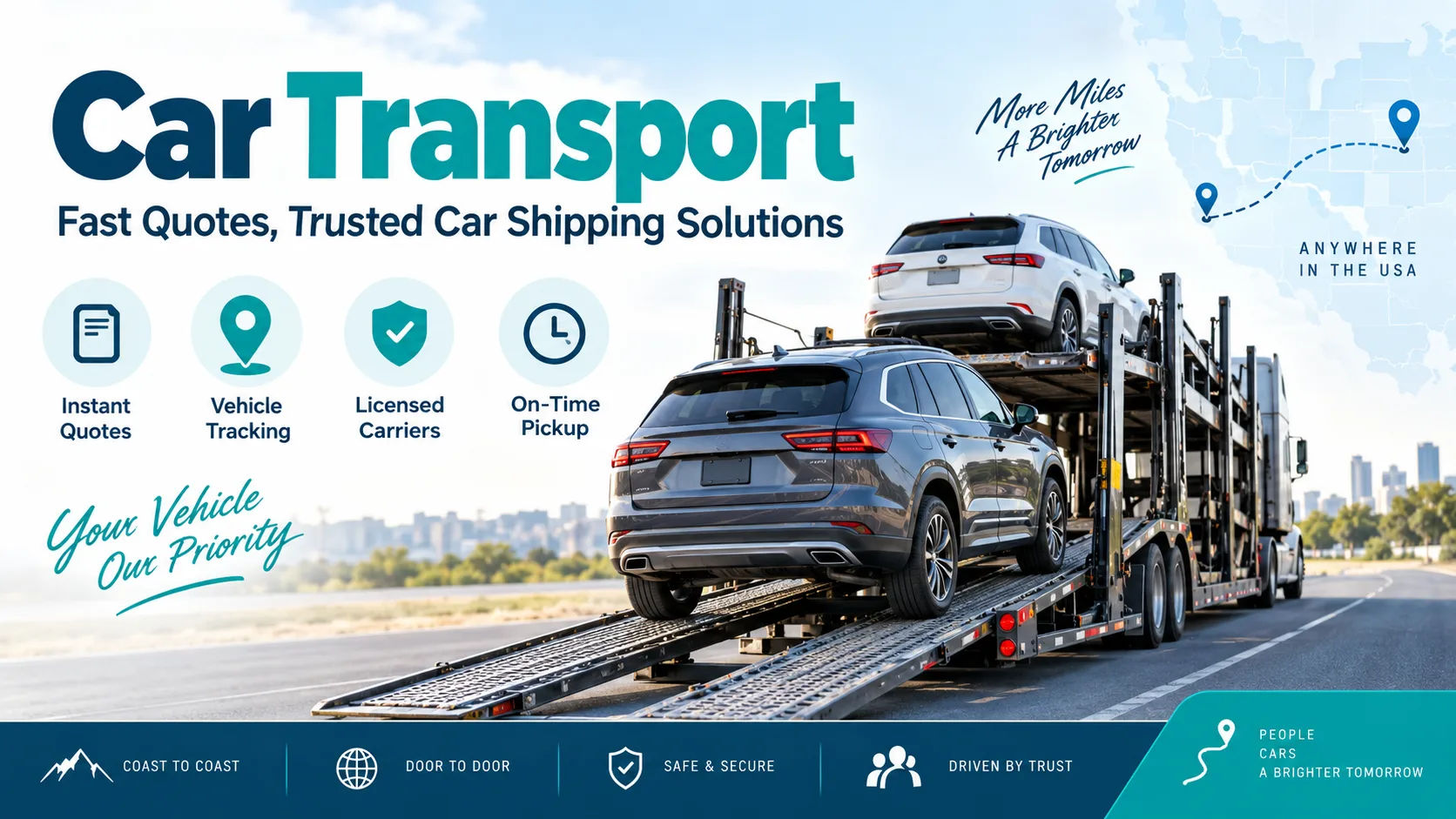
After all, the car is already traveling to your destination. However, transporting a vehicle is different from moving household goods, and carriers often have strict rules about what can remain inside the car.Understanding these restrictions before pickup can prevent delays, unexpected charges, damaged belongings, and problems with your carrier. More importantly, properly preparing the vehicle makes the entire transportation process easier and safer.
Why Do Carriers Restrict Personal Items?
A vehicle carrier is primarily hired to transport the automobile itself. Personal property inside the vehicle creates additional risks that the carrier may not be prepared or authorized to handle.
One major concern is weight. Auto transport carriers operate under strict weight limitations. Even a relatively small amount of additional cargo can affect the total weight being carried, particularly when several vehicles are loaded onto one trailer.
There is also the question of responsibility. If your belongings are damaged, lost, or stolen during transportation, your vehicle transport insurance may not cover them. Auto transport insurance generally protects the vehicle under specific circumstances, not every personal item placed inside it.
Personal belongings can also become loose while the vehicle is being transported. Items may shift during loading, unloading, braking, turns, or changes in road conditions. Something that seems harmless in the driveway could damage the interior or become a problem during transit.
For these reasons, many carriers require customers to remove personal items before the vehicle is picked up.
Can You Leave Anything Inside the Vehicle?
There is no single rule that applies to every carrier. Some companies require a completely empty vehicle, while others allow a limited amount of personal property under specific conditions.
When a carrier does permit belongings, there may be restrictions on weight, location, and type of items. For example, a company might allow a limited amount of clothing or other lightweight possessions stored securely in the trunk.
The important point is that you should never assume personal items are allowed simply because they fit inside the vehicle.
Ask the transport company about its policy before loading anything. Ideally, get the answer in writing so there is no confusion when the driver arrives.
What Items Are Usually Prohibited?
Even companies that allow limited personal belongings often prohibit certain categories of items.
Valuable Electronics
Laptops, tablets, cameras, gaming systems, expensive headphones, and other electronics are generally better transported separately.
These items can be vulnerable to theft, impact, temperature changes, or other damage. Leaving them inside a vehicle also creates uncertainty about insurance coverage.
Important Documents
Never leave passports, financial records, legal documents, identification papers, medical records, or other sensitive documents in the vehicle.
These belongings are difficult to replace and may contain information you would not want exposed.
Jewelry and Cash
Cash, jewelry, watches, and other valuable possessions should always travel with you or through an appropriate insured shipping service.
A vehicle transport company is not a substitute for a valuables carrier.
Hazardous Materials
Fuel containers, ammunition, chemicals, compressed gas cylinders, fireworks, and other hazardous materials should not be left inside a vehicle being transported.
Apart from company policies, these items can create serious safety concerns during transit.
Household Goods
Large boxes, furniture, appliances, and heavy household belongings are particularly problematic. They add weight and can move around inside the vehicle.
If you are moving a household at the same time as your vehicle, use an appropriate moving or freight service instead of treating the car as additional cargo space.
What About the Trunk?
The trunk is often the place people assume is acceptable for personal belongings. That assumption is not always correct.
Some auto transport companies permit a limited number of lightweight items in the trunk, while others require it to be completely empty.
Even when trunk storage is allowed, the items may need to remain below a specified weight limit. They may also need to be secured so they cannot move around during transportation.
Do not fill the trunk with heavy boxes simply because they are hidden from view. The carrier needs to know about any additional weight and may refuse the vehicle if the load violates its policy.
Why Weight Matters During Vehicle Transport
Weight is more important than many vehicle owners realize.
An auto transport trailer is designed to carry a specific combination of vehicles and cargo. Adding personal property increases the total load.
The additional weight may also be distributed unevenly. If one vehicle contains significantly more belongings than another, it can affect how the carrier manages its load.
Professional carriers have to consider federal and state transportation regulations, vehicle capacity, axle weights, and safe loading practices. Personal property therefore cannot simply be treated as free extra space.
This is one reason carriers commonly establish a specific weight limit for approved belongings.
Does Insurance Cover Personal Belongings?
This is one of the most important questions to ask before using open car transport.
Many people assume that because the carrier has insurance, everything inside the vehicle is automatically protected. That is not necessarily true.
Carrier insurance is primarily associated with damage to the transported vehicle. Personal belongings may be excluded, limited, or subject to different terms.
Suppose you leave a laptop in the back seat and it is damaged during transit. Even if the vehicle itself is covered under the carrier's cargo insurance, the laptop may not be.
The same issue can apply to clothing, tools, electronics, luggage, and other possessions.
Before leaving anything inside the vehicle, ask the carrier:
-
Are personal belongings permitted?
-
Is there a weight limit?
-
Where may approved items be stored?
-
Are those belongings covered by insurance?
-
What happens if an item is lost or damaged?
Getting clear answers beforehand is much safer than discovering the policy after something goes wrong.
Should You Empty the Car Completely?
If you want the safest and simplest approach, yes.
Removing personal belongings eliminates several potential problems. It reduces weight, prevents items from shifting, protects valuable possessions, and makes the vehicle easier to inspect.
An empty vehicle also makes the pre-transport inspection more straightforward. The driver can examine the interior and exterior without personal belongings blocking access or hiding existing damage.
You should especially remove anything loose from the passenger compartment.
This includes items sitting on seats, dashboards, floors, door pockets, cup holders, and other storage areas.
Even small objects can move around during transit and potentially scratch surfaces or cause damage.
What About Items That Are Part of the Car?
Not everything inside a vehicle is considered personal property.
Factory-installed equipment and permanently attached vehicle components normally remain with the car. This includes the spare tire when it is part of the vehicle's standard equipment, built-in navigation equipment, installed speakers, and other permanent components.
However, removable accessories can be different.
For example, a removable roof box, detachable electronic device, or loose aftermarket equipment may need special consideration. Ask the carrier before pickup if you are unsure whether something should remain with the vehicle.
The general rule is simple: if an item can easily be removed and transported separately, check the carrier's policy before leaving it inside or attached to the vehicle.
How to Prepare Your Vehicle for Open Transport
Preparing your vehicle properly does not have to be complicated.
Start by removing personal belongings from the passenger area and trunk unless your carrier has specifically approved them.
Next, remove loose accessories. This can include removable antennas, roof-mounted accessories, custom spoilers, or other components that could become vulnerable during transportation.
Make sure the vehicle is in reasonable operating condition unless you specifically booked transport for a non-running vehicle.
The carrier should also know about mechanical problems, low ground clearance, modified suspension, oversized tires, or other features that could affect loading.
Before handing over the vehicle, take clear photographs of the exterior from several angles. Photograph existing scratches, dents, chips, and other visible damage.
These photographs can provide useful documentation when the vehicle arrives.
What Happens If You Leave Unauthorized Items Inside?
The outcome depends on the carrier and the circumstances.
A driver may ask you to remove the belongings before loading the vehicle. If you are not present, the carrier may follow its company's established policy.
In some cases, unauthorized belongings could contribute to additional charges or delays. A carrier may also refuse to transport the vehicle if it cannot be loaded safely within its operating requirements.
This is why asking about personal property before pickup is much better than negotiating with the driver at the last minute.
Are There Exceptions for Necessary Items?
Sometimes, practical exceptions exist.
For example, a vehicle owner may need to leave certain equipment associated with the vehicle itself. A carrier may also have a specific policy allowing a small amount of clothing or other low-weight property.
The key is authorization.
Do not rely on what a friend, online forum, previous carrier, or another driver told you. Transportation companies can have different rules, and policies can change.
Your contract and your carrier's current instructions should take priority.
Open Transport vs. Enclosed Transport
The question about personal belongings is relevant regardless of whether you choose open or enclosed transportation.
Open car transport is generally the more common and economical option. Vehicles are transported on an open trailer and are exposed to normal road and weather conditions.
Enclosed transport places vehicles inside a covered trailer and is often selected for luxury, classic, exotic, or highly valuable automobiles.
However, choosing enclosed transport does not automatically mean you can fill the vehicle with personal belongings.
The carrier's personal-property policy still applies. If anything, owners of high-value vehicles may have even more reason to keep the interior clear and protect the vehicle from unnecessary risks.
What Should You Do Before Pickup?
A few simple steps can make pickup much easier.
First, confirm the personal-property policy with your carrier.
Second, remove valuables and important documents regardless of whether the company technically permits some belongings.
Third, remove loose items from the cabin.
Fourth, check the trunk and storage compartments.
Fifth, photograph the vehicle's existing condition.
Finally, review the bill of lading or inspection report carefully before the vehicle leaves.
These steps take relatively little time but can prevent considerable frustration later.
Is It Ever Worth Leaving Personal Items in the Car?
For most people, there is little advantage to taking the risk.
The amount of space you gain by using the vehicle as temporary storage may not justify the possibility of damaged belongings, additional charges, loading complications, or an insurance dispute.
If a carrier explicitly permits a small amount of property and you only need to transport inexpensive, lightweight items, it may be reasonable to use that allowance.
Even then, pack carefully and follow the carrier's instructions exactly.
For anything valuable, irreplaceable, fragile, hazardous, or important, transport it separately.
C0nclusion
So, can you leave personal items during open car transport? Sometimes, but the answer depends entirely on the carrier's rules and the type and amount of property involved.
Some carriers allow a limited quantity of lightweight belongings, often subject to a specific weight restriction. Others require the vehicle to be completely empty. Personal valuables, documents, cash, electronics, hazardous materials, and heavy household goods should generally be removed regardless.
The safest approach is to treat your vehicle as vehicle cargo, not as a moving container. Confirm the policy before pickup, remove unnecessary belongings, protect valuables separately, and document the vehicle's condition.
A few minutes of preparation can make the transportation process much smoother. More importantly, it reduces the chance of an argument over unauthorized items or an unpleasant surprise when you discover that your personal property was never covered by the carrier's insurance.
When in doubt, ask the carrier before the pickup date. A clear answer in advance is far better than trying to solve the problem when the transport truck is already waiting.