
Sportswear has become an essential part of everyday life for athletes, fitness enthusiasts, and people who enjoy comfortable clothing. From running shirts and gym leggings to cycling shorts and workout jackets, these garments are designed to support movement, manage sweat, and keep the body comfortable during physical activity. However, after a demanding workout, many people wonder whether they can simply put their sportswear in the washing machine.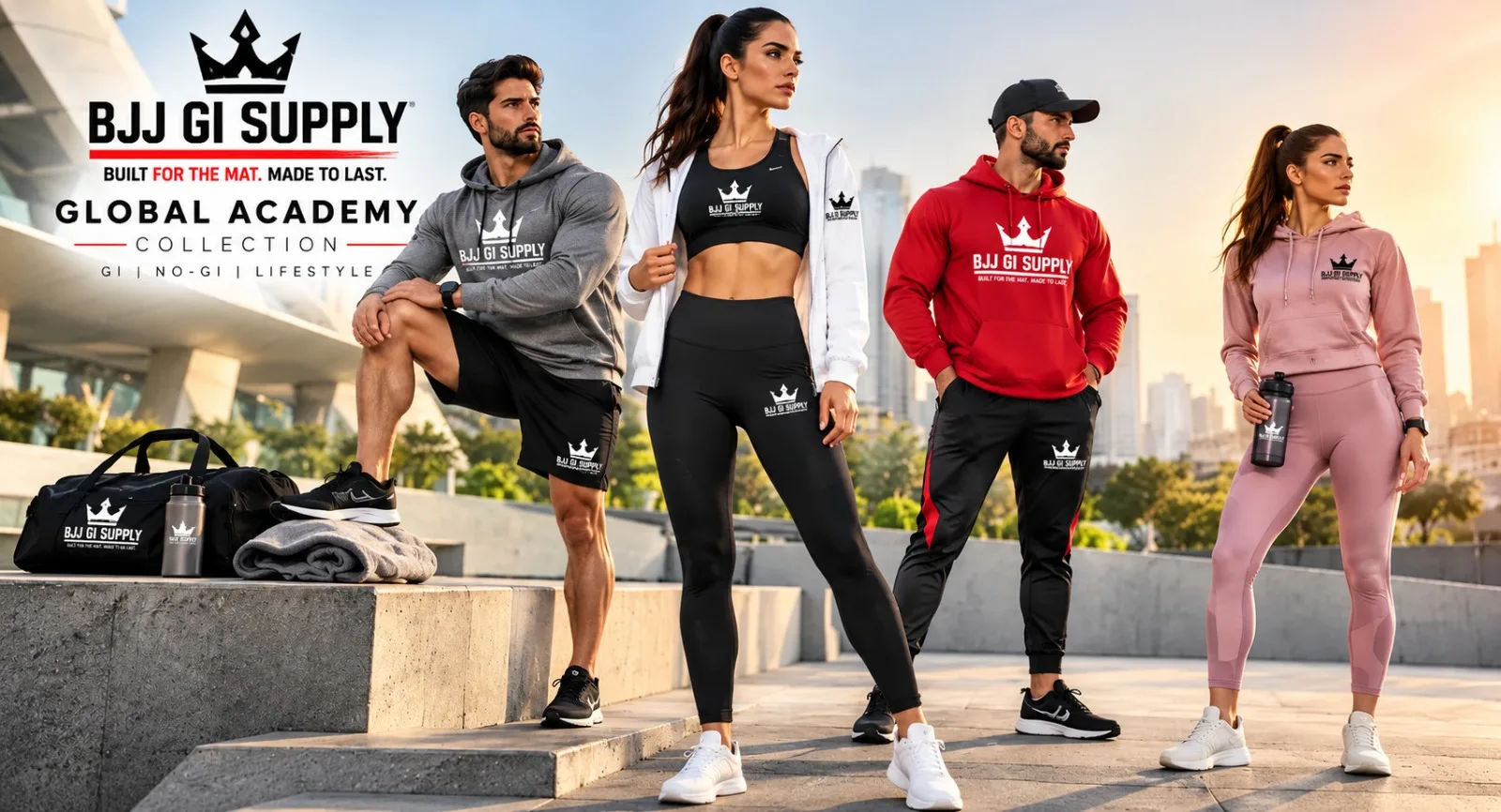
The good news is that most sportswear can be machine-washed safely, provided you follow the correct washing instructions. The right method depends on the fabric, garment design, and care label. Some items need cold water and a gentle cycle, while others may require handwashing or special treatment to protect their shape and performance.
Understanding how to wash Sports Wears properly can help you remove sweat, body oils, bacteria, and unpleasant odors without damaging the materials. A few simple habits, such as separating clothes by color, avoiding excessive detergent, and choosing the right drying method, can make a noticeable difference in how long your workout clothing lasts.
This comprehensive guide explains which sportswear items are suitable for machine washing, how to prepare them, which settings to choose, and what mistakes to avoid. Whether you wear athletic clothing every day or only occasionally, these practical tips will help you keep your garments clean, fresh, and ready for your next activity.
Can Sportswear Go in a Washing Machine?
Sports Wears nogi bjj manufacturer sportswear can go in a washing machine. Modern athletic clothing is often made from synthetic materials such as polyester, nylon, and elastane, which are designed to handle regular use and washing. However, these fabrics still require appropriate care to maintain their flexibility, moisture-wicking abilities, and overall performance.
Before washing any garment, check its care label. Manufacturers usually provide instructions about water temperature, washing cycles, detergent, and drying methods. Following these recommendations is the safest way to prevent shrinking, stretching, fading, or damage to specialized materials.
For most everyday workout clothing, a cold or cool wash on a gentle cycle is a good starting point. Use a moderate amount of detergent and avoid overloading the machine. This allows water and detergent to move freely through the garments, helping remove sweat and dirt more effectively.
However, machine washing is not suitable for every item. Certain compression garments, delicate sports bras, waterproof jackets, and clothing with special coatings may need extra care. When the label recommends handwashing or another specific method, follow that guidance.
Which Types of Sportswear Can Be Machine-Washed?
Not all athletic garments are made from the same materials. Understanding the differences can help you choose the best washing method for each item.
Polyester Workout Shirts
Polyester is one of the most common fabrics used in athletic clothing. It is lightweight, durable, and often designed to move moisture away from the skin.
Most polyester workout shirts can be machine-washed with cold or cool water. Turn them inside out before washing to protect printed designs, logos, and the outer surface of the fabric.
Avoid fabric softener because it can leave a coating on the fibers. This residue may reduce the fabric's ability to manage moisture and can contribute to unpleasant odors over time.
Leggings and Compression Clothing
Leggings, compression tights, and other close-fitting garments frequently contain elastane or spandex. These fibers provide stretch and help clothing maintain its shape.
Machine washing is usually acceptable, but a gentle cycle and cool water are recommended. High temperatures can weaken elastic fibers, causing garments to lose their support and fit.
Place delicate leggings in a mesh laundry bag when possible. This reduces friction, protects seams, and helps prevent the garments from becoming tangled with other clothes.
Sports Bras
Many sports bras can be machine-washed, but their elastic bands, straps, padding, and hooks require careful handling.
Fasten any hooks before washing and place the bra in a mesh laundry bag. Remove detachable padding if the care label recommends doing so. This helps prevent the padding from becoming folded, twisted, or misshapen.
Choose a gentle cycle with cool water. Air-drying is generally better than using a tumble dryer because heat can damage the elastic components.
Running Shorts and Athletic Pants
Running shorts, training pants, and similar garments are usually suitable for machine washing. However, check for built-in liners, drawstrings, reflective details, and zippered pockets.
Close zippers and secure drawstrings before placing the garments in the machine. This prevents them from catching on other clothing or damaging delicate fabrics.
If the shorts have reflective strips, follow the manufacturer's care instructions to protect these details from repeated friction and excessive heat.
Waterproof and Weather-Resistant Jackets
Sports jackets designed for rain or outdoor activities may have water-resistant coatings or specialized membranes. Although some can be machine-washed, they often require specific detergents and washing instructions.
Avoid ordinary fabric softeners unless the manufacturer explicitly permits them. They can interfere with certain technical finishes.
Some jackets may require a specialized cleaning product or a particular drying method to maintain their water-repellent performance. Always consult the care label before washing these garments.
How to Wash Sportswear in a Washing Machine
Following a simple routine can help keep athletic clothing clean while protecting its materials.
Step 1: Read the Care Labels
Start by checking the washing instructions on each garment. Look for information about water temperature, cycle selection, bleaching, and drying.
If several items require different washing methods, separate them into appropriate loads. For example, delicate compression clothing should not necessarily be washed with heavy towels or rough garments.
When the instructions are unclear, choose a conservative approach: cool water, a gentle cycle, and air-drying.
Step 2: Separate Clothes Properly
Separate light-colored clothing from dark-colored items to reduce the risk of color transfer. It is also helpful to separate delicate garments from heavier fabrics.
Towels, denim, and clothing with rough zippers can create friction that damages lightweight athletic materials. Washing similar fabrics together can help preserve their appearance and construction.
You should also remove items from pockets before washing. Tissues, paper, and small objects can create unnecessary mess or damage.
Step 3: Turn Garments Inside Out
Turning workout clothes inside out is a simple but effective way to protect them.
Sweat, body oils, and deodorant often accumulate on the inner surface of athletic clothing. Turning garments inside out exposes these areas more directly to the wash water.
This practice also helps protect printed logos, decorative details, and the outer surface from excessive friction.
Step 4: Use a Mesh Laundry Bag
Mesh laundry bags are especially useful for sports bras, thin leggings, compression clothing, and garments with delicate straps.
They reduce tangling and limit direct contact with other items in the washing machine. However, the bag should not be packed too tightly, as water and detergent still need to circulate.
Use separate bags for particularly delicate garments when necessary.
Step 5: Choose the Right Water Temperature
Cold or cool water is usually suitable for most athletic clothing. It can help protect elastic fibers, reduce color fading, and limit unnecessary wear.
Hot water is not automatically better at cleaning workout clothes. Excessive heat may damage stretch fabrics, shrink certain materials, or weaken specialized finishes.
If the care label specifies a particular temperature, follow that recommendation. For heavily soiled garments, proper detergent use and an appropriate cycle are generally more important than simply increasing the temperature.
Step 6: Select a Gentle Washing Cycle
A gentle or delicate cycle is a sensible choice for garments containing elastic fibers or delicate construction.
For durable workout clothing, a normal cycle may be acceptable if the care label permits it. Avoid unnecessarily long or aggressive cycles when a shorter wash will clean the clothes adequately.
Do not overload the machine. Crowded garments cannot move freely, which may reduce cleaning effectiveness and increase friction.
Step 7: Add the Correct Amount of Detergent
Use a quality laundry detergent suitable for the fabric and follow the dosage instructions on its packaging.
Adding extra detergent does not necessarily make clothing cleaner. Excess product can remain trapped in synthetic fibers, contributing to residue, stiffness, and lingering smells.
If your workout clothing repeatedly smells unpleasant after washing, consider whether detergent buildup, an overloaded machine, or inadequate drying could be contributing to the problem.
Step 8: Remove Clothes Promptly
When the wash cycle ends, remove the garments as soon as practical.
Leaving damp sportswear in the machine for an extended period can encourage musty odors. It also allows moisture to remain trapped in a warm, enclosed environment.
Shake out the clothes gently and prepare them for drying according to their care labels.
What Is the Best Washing Machine Setting for Sportswear?
The best setting depends on the fabric and garment construction. The following table provides general guidance, but the care label should always take priority
For many everyday athletic garments, a temperature around 20–30°C is a practical starting point when the care label allows it. Some fabrics and products require different settings, so this range should not be treated as a universal rule.
Should You Use Fabric Softener on Sportswear?
In most cases, it is better to avoid fabric softener on technical workout clothing.
Fabric softeners work by leaving conditioning substances on textile fibers. Although this can make ordinary clothing feel softer, the coating may interfere with the moisture-management properties of some athletic fabrics.
It can also contribute to residue that traps odors, particularly when garments are repeatedly exposed to sweat and body oils.
Instead, use the recommended amount of detergent and rinse the garments thoroughly. If clothing feels stiff, review your detergent dosage and washing routine rather than automatically adding softener.
For cotton-based athletic garments, the manufacturer's instructions still matter. Some items may tolerate fabric softener, but it is best not to assume that every sports fabric will benefit from it.
Can You Wash Sportswear With Regular Clothes?
You can sometimes wash athletic clothing with regular clothes, but separating items is often the better choice.
Lightweight workout shirts and leggings may be damaged by friction from jeans, towels, garments with rough fasteners, or clothing with heavy embellishments. Separating these items can reduce wear.
It is also sensible to wash heavily sweaty workout clothes separately from lightly worn garments. This helps prevent dirt and odors from spreading throughout the load.
However, you do not need to run a separate machine cycle for every sports item. Group similar colors, fabrics, and care requirements together to make laundry more efficient.
Avoid washing clothing with towels if you want to minimize lint on dark athletic fabrics. Towels can release fibers that cling to synthetic materials and make them look less clean.
How to Remove Sweat Odors From Sportswear
Sweat odors are a common problem because synthetic fibers can hold onto body oils and odor-causing residues. Simply adding more detergent or perfume may not solve the underlying issue.
Wash Clothes Soon After Exercise
Do not leave damp workout clothing crumpled inside a gym bag or laundry basket for long periods.
If you cannot wash the garments immediately, hang them somewhere with good airflow until they dry. This reduces the time they remain damp and helps prevent musty smells.
Once dry, place them in the laundry basket until you are ready to wash them.
Use the Right Detergent
Choose a detergent suitable for synthetic fabrics and athletic clothing. Some products are formulated specifically to help remove sweat and body oils.
Follow the dosage instructions carefully. Too little detergent may not clean effectively, while too much can leave residue.
If odors continue, check whether your washing machine itself needs cleaning. Residue inside the drum or detergent drawer can contribute to unpleasant smells.
Avoid Covering Odors With Fragrance
Strongly scented products may temporarily mask smells without removing the residues responsible for them.
A better approach is to wash the garment correctly, use an appropriate detergent, and allow it to dry completely.
Avoid mixing household cleaning chemicals or applying harsh substances to athletic fabrics. These methods can damage garments and may create safety risks.
Allow Proper Drying
Moisture left inside thick waistbands, padded areas, and layered garments can contribute to lingering odors.
Spread clothes out rather than placing them in a tightly packed drying area. Make sure both sides have enough airflow.
If an item still smells after washing, inspect the care label and consider rewashing it with the correct detergent and settings before wearing it again.
Is It Safe to Put Sportswear in a Dryer?
Some athletic garments can be tumble-dried, but air-drying is often the safer option.
High heat can weaken elastic fibers, damage printed designs, and affect certain water-resistant coatings. Repeated exposure may cause leggings to lose their stretch or sports bras to lose support.
If the care label permits tumble-drying, use a low-heat setting and remove the garments promptly. Avoid high heat unless the manufacturer specifically recommends it.
Air-drying is suitable for many sports shirts, leggings, shorts, and bras. Hang them on a drying rack or clothesline in a well-ventilated area.
Keep delicate garments away from direct, intense heat. Strong sunlight may also fade certain colors over time, so a shaded, airy location can be useful.
Before storing athletic clothing, make sure it is completely dry. Folding damp garments into drawers or gym bags can encourage musty odors and may lead to mildew in suitable conditions.
Common Mistakes to Avoid When Washing Sportswear
Even when athletic clothing is machine-washable, a few common mistakes can shorten its useful life.
Using Too Much Detergent
Excess detergent can build up in fabric fibers and make odors harder to remove. Follow the product's recommended dosage and adjust only when the instructions support it.
Washing With Hot Water Without Checking
Hot water can damage elastane, shrink some materials, and affect technical finishes. Check the label before selecting a high-temperature wash.
Ignoring Zippers and Hooks
Open zippers, loose hooks, and unsecured fasteners can snag delicate fabrics. Close them before washing and use a mesh bag for vulnerable garments.
Leaving Clothes Wet in the Machine
Damp clothes left inside a closed washer can develop unpleasant smells. Remove them promptly and dry them thoroughly.
Using Bleach Without Permission
Bleach can discolor fabrics and damage elastic components. Never use it unless the care label confirms that the product is suitable.
Ironing Technical Fabrics at High Temperatures
Most athletic clothing does not need ironing. High heat can melt or distort synthetic fibers, so avoid ironing unless the manufacturer allows it and specifies a safe temperature.
Washing Every Garment the Same Way
Different fabrics have different care requirements. A waterproof jacket, a cotton training shirt, and a compression legging should not automatically receive identical treatment.
Taking a few seconds to check labels can prevent avoidable damage.
How Often Should You Wash Sportswear?
The frequency depends on how heavily you sweat, how long you wear the garment, and the activity you perform.
Workout shirts, leggings, sports bras, socks, and underwear generally need washing after each workout because they come into direct contact with sweat and body oils.
Outer layers, such as lightweight training jackets, may not require washing after every brief use if they remain clean and dry. However, wash them when they become sweaty, visibly dirty, or unpleasant to smell, following the care label.
Do not assume that clothing is clean simply because it looks fresh. Sweat and body oils may accumulate even when stains are not visible.
At the same time, unnecessary washing can create additional wear. The goal is to wash garments whenever needed while using methods that protect their materials.
Tips for Making Sportswear Last Longer
Good laundry habits can help athletic clothing remain comfortable and functional for longer.
-
Follow care labels: Manufacturer instructions provide the best starting point for washing and drying.
-
Use cool water when appropriate: This helps protect many synthetic and stretch fabrics.
-
Avoid fabric softener on technical garments: It may interfere with moisture management.
-
Choose gentle cycles for delicate items: Reduce unnecessary stretching and friction.
-
Use mesh bags: Protect sports bras, compression clothing, and delicate accessories.
-
Dry garments completely: Prevent musty odors before storing clothes.
-
Keep the washing machine clean: Periodically clean the drum and detergent drawer according to the machine manufacturer's instructions.
-
Store clothing properly: Keep clean, dry athletic clothing in a ventilated space away from excessive moisture.
These habits are straightforward, but following them consistently can help preserve the fit, appearance, and performance of your workout wardrobe.
Conclusion
So, can Sports Wears go in a washing machine? Yes, most athletic garments can be machine-washed safely when you use the correct settings and follow the manufacturer's care instructions. Polyester shirts, running shorts, leggings, and many sports bras are generally suitable for machine washing, although delicate items may need extra protection.
The most reliable approach is to separate clothing by color and fabric, turn garments inside out, use cool water when recommended, and select a suitable washing cycle. A moderate amount of detergent is usually enough, while fabric softener should generally be avoided on technical moisture-wicking materials.
Drying is just as important as washing. Air-drying is often the gentlest option for elastic and synthetic garments, while low-heat tumble-drying is appropriate only when the care label allows it. Removing clothes promptly from the machine and ensuring they are completely dry can also help prevent unpleasant odors.
If you want your workout clothing to remain comfortable, supportive, and attractive, avoid common mistakes such as using excessive detergent, washing with unsuitable temperatures, and ignoring care labels. Small changes to your laundry routine can make a meaningful difference.
Ultimately, proper care helps you get more value from your athletic clothing while keeping it clean and ready for exercise. By understanding your garments' materials and following a consistent washing routine, you can maintain their quality and enjoy reliable performance for many workouts to come.