Author: Millermarker

Chinese Medicine: Ancient Wisdom for Modern HealingChinese Medicine: Ancient Wisdom for Modern Healing

Chinese medicine, a system that dates back over 2,000 years, offers a holistic approach to health that views the human body as an interconnected whole. Unlike Western medicine, which often focuses on treating specific diseases or symptoms, Traditional Chinese Medicine (TCM) takes a more comprehensive view of health, emphasizing the balance and flow of energy within the body. This ancient healing system encompasses a wide range of treatments, including acupuncture, herbal medicine, cupping, and dietary therapy, and has become increasingly popular worldwide for its natural and preventative approach to health.

The Philosophical Foundations of Chinese Medicine

The roots of Chinese medicine are deeply intertwined with ancient Chinese philosophy, particularly Taoism. According to Taoist principles, the human body is not separate from nature but is deeply connected to the environment and the universe at large. This belief in interconnectedness shapes the core principles of Chinese medicine, which emphasize balance, harmony, and the flow of energy.

1. Qi (Chi) – The Vital Life Force

At the heart of Chinese medicine is the concept of Qi (pronounced “chee”), the vital life force that flows through every living thing. Qi is considered the fundamental energy that powers all physiological functions and maintains health. When Qi is abundant and flowing freely, the body is in balance, and health is maintained. However, when Qi becomes blocked, weakened, or unbalanced, it can lead to illness. The primary goal of Chinese medicine is to restore the smooth flow of Qi to promote healing and prevent disease.

2. Yin and Yang – The Balance of Opposites

Another foundational principle of Chinese medicine is the concept of Yin and Yang. Yin and Yang represent the dual, complementary forces that exist within the universe and the body. Yin is associated with coolness, passivity, rest, and substance, while Yang represents warmth, activity, energy, and function. Health is believed to exist when Yin and Yang are in balance, but when either force becomes excessive or deficient, it can lead to illness. For example, an excess of Yang energy may result in symptoms like fever and inflammation, while a deficiency of Yin can manifest as dryness, fatigue, and night sweats.

3. The Five Elements – A Guide to Understanding the Body

The Five Elements theory is another key component of Chinese medicine. The five elements—Wood, Fire, Earth, Metal, and Water—are used to describe the various energetic processes in the body. Each element corresponds to specific organs, emotions, and seasons. For instance, the Wood element is linked to the Liver, and an imbalance in the Liver might manifest as irritability or digestive issues. By understanding how the elements interact, Chinese medicine practitioners are able to identify imbalances and develop individualized treatment plans.

Key Therapies in Chinese Medicine

Chinese medicine employs a wide range of therapies that aim to restore balance and promote healing in the body. These therapies often work together, complementing one another to address the root cause of illness and optimize health.

1. Acupuncture – Restoring the Flow of Qi

Acupuncture is one of the most widely recognized practices in Chinese medicine. It involves inserting very fine needles into specific points on the body, known as acupuncture points, to influence the flow of Qi along the body’s meridians. There are over 350 acupuncture points in the body, each corresponding to a specific organ or system. By stimulating these points, acupuncture helps to clear blockages in the flow of Qi, restore balance, and promote healing. Acupuncture is used to treat a wide variety of conditions, including chronic pain, stress, digestive issues, and hormonal imbalances.

Acupuncture has been shown to be particularly effective for pain management, with studies indicating that it can help alleviate conditions like osteoarthritis, migraines, and back pain. Additionally, acupuncture is used as a complementary treatment in fertility treatments, such as in vitro fertilization (IVF), to enhance reproductive health.

2. Herbal Medicine – Natural Remedies for Healing

Herbal medicine is a cornerstone of Chinese medicine, and practitioners use a vast array of plant-based substances to create remedies tailored to each individual’s needs. Chinese herbal formulas are often composed of multiple herbs, each chosen for its specific therapeutic properties. These herbs work together synergistically to address both the symptoms and the underlying causes of illness.

Some commonly used herbs include:

  • Ginseng: Known for boosting energy, enhancing immune function, and improving mental clarity.
  • Gingko Biloba: Often used to improve circulation and cognitive function.
  • Astragalus: A powerful immune-boosting herb used to prevent colds and respiratory infections.
  • Dang Gui: Often referred to as “female ginseng,” this herb is used to regulate menstrual cycles, improve blood circulation, and address menopausal symptoms.

Herbal remedies are typically prescribed in the form of teas, pills, powders, or tinctures and are often combined with acupuncture for a more holistic approach.

3. Cupping Therapy – Promoting Circulation and Detoxification

Cupping therapy is another ancient technique in Chinese medicine that has recently gained popularity in the West. It involves placing glass or plastic cups on the skin and creating a vacuum inside the cups, which causes the skin and underlying tissue to be pulled upwards. This process is believed to improve the flow of Qi, enhance circulation, and release toxins from the body. Cupping is commonly used to treat muscle pain, respiratory conditions, and even skin problems like acne.

The therapy has been particularly popularized by athletes like Michael Phelps, who showcased his cupping marks during the 2016 Olympics. The suction created by the cups can help to relieve muscle tension, promote healing, and increase blood flow to areas of the body that may be experiencing stagnation.

4. Moxibustion – Using Heat to Strengthen the Body

Moxibustion is a therapy that involves burning dried mugwort (moxa) near specific acupuncture points to warm the body and promote the flow of Qi. The heat from the moxa is believed to expel cold and dampness from the body, warm the meridians, and stimulate the body’s self-healing mechanisms. Moxibustion is often used to treat conditions like cold-related diseases, digestive issues, and menstrual irregularities.

There are two main types of moxibustion: direct and indirect. In direct moxibustion, the moxa is burned directly on the skin, while in indirect moxibustion, a stick of moxa is held near the skin to provide heat without touching it.

5. Tai Chi and Qigong – Moving Meditation for Health

Tai Chi and Qigong are mind-body practices that combine slow, deliberate movements, breathing exercises, and meditation. Both practices are designed to cultivate and balance Qi within the body. Tai Chi, a form of martial art, emphasizes fluid, controlled movements that improve balance, flexibility, and strength, while Qigong focuses on breath control and meditation to enhance the body’s energy flow.

Both practices are highly effective in reducing stress, improving circulation, and promoting overall health and well-being. Studies have shown that Tai Chi and Qigong can improve balance and coordination, reduce anxiety and depression, and enhance quality of life for individuals with chronic health conditions.

The Modern Relevance of 銅鑼灣中醫

In the 21st century, Chinese medicine is experiencing a resurgence, particularly in the West, as more people seek natural alternatives to pharmaceutical treatments. Chinese medicine's emphasis on prevention, individualized care, and holistic treatment resonates with those who are looking for ways to enhance their health without relying on synthetic drugs.

1. Chronic Pain and Stress Relief

Chronic pain and stress are two of the most common reasons people seek Chinese medicine treatments. Acupuncture, cupping, and herbal remedies are often used to alleviate pain from conditions like arthritis, migraines, and back pain. These therapies not only help to reduce pain but also promote relaxation, improve blood circulation, and address the root causes of the discomfort.

2. Mental and Emotional Well-being

Chinese medicine also offers effective solutions for managing stress, anxiety, and depression. Acupuncture has been shown to regulate the nervous system, increase the production of endorphins, and reduce stress hormones like cortisol. Additionally, Tai Chi and Qigong provide powerful tools for improving mental clarity, reducing anxiety, and fostering emotional well-being.

3. Digestive Health

The holistic approach of Chinese medicine is particularly beneficial for treating digestive disorders. Conditions like irritable bowel syndrome (IBS), bloating, and acid reflux are commonly treated with acupuncture, herbal remedies, and dietary adjustments. TCM views digestive health as a reflection of the body’s overall balance, and treatment is aimed at restoring harmony to both the digestive system and the rest of the body.

Conclusion

Chinese medicine offers a rich, time-tested approach to health that prioritizes balance, prevention, and holistic healing. With its emphasis on restoring the flow of Qi, harmonizing Yin and Yang, and utilizing natural therapies, Chinese medicine provides a comprehensive framework for achieving lasting health and wellness. As its practices continue to gain popularity in the modern world, Chinese medicine stands as a valuable complement to conventional medical treatments, helping individuals achieve a deeper sense of balance and vitality in their lives. Whether through acupuncture, herbal medicine, or Tai Chi, Chinese medicine offers powerful tools for achieving wellness in a fast-paced, often stressful world.

The Diamond Journey: From Earth’s Depths to Human HeartsThe Diamond Journey: From Earth’s Depths to Human Hearts

Diamonds are often regarded as the ultimate symbol of beauty, wealth, and eternal commitment. From their formation deep beneath the Earth's surface to their dazzling presence in high-end jewelry, diamonds have captivated humanity for centuries. These gems are not just prized for their visual appeal but also for their extraordinary qualities and complex journey through time. In this article, we will explore the formation of diamonds, their cultural significance, modern applications, and the future of this timeless gemstone.

1. The Formation of Diamonds: A Geological Marvel

Diamonds form deep within the Earth’s mantle, about 90 to 120 miles (150 to 200 kilometers) beneath the surface. Under immense pressure and temperatures of around 2,000 to 2,500 degrees Fahrenheit (1,100 to 1,400 degrees Celsius), carbon atoms are transformed into a crystalline structure that forms diamonds. This process takes millions, even billions, of years, making diamonds one of the oldest materials found on Earth.

The carbon that eventually becomes diamond often originates from organic material, such as plant matter, or can be derived from deep carbon deposits in the Earth’s mantle. Once formed, diamonds are transported to the surface through volcanic eruptions that force kimberlite pipes—tunnels created by volcanic activity—to the Earth’s surface. These pipes carry diamonds, allowing miners to extract them and bring them to light.

2. Diamonds in History: Symbols of Power and Prestige

Throughout history, diamonds have been valued as symbols of power, prestige, and divine favor. Ancient civilizations such as the Greeks and Romans believed that diamonds were tears of the gods or fragments of fallen stars, imbuing them with mystical properties. In India, diamonds were regarded as sacred, often worn by royalty and warriors to signify their strength and invincibility.

In medieval Europe, diamonds were believed to possess protective powers, including the ability to heal wounds or provide strength in battle. By the 15th century, European aristocracy began to adopt diamonds as personal treasures and symbols of wealth. The famous Hope Diamond, a 45.52-carat blue diamond, is one such example, with a history of being owned by royalty before finding its place in the Smithsonian Institution’s collection.

The 20th century saw 人工鑽石 s become entrenched in Western culture, particularly with the rise of engagement rings as a symbol of commitment. De Beers' "A Diamond is Forever" campaign, launched in 1947, revolutionized the diamond industry by promoting the diamond as a lasting symbol of love and marriage. Today, diamonds continue to hold deep emotional significance, especially in the context of romantic love.

3. The Science Behind the Sparkle: Why Diamonds Shine So Bright

A diamond’s dazzling brilliance is a result of its unique ability to refract and reflect light. The exceptional hardness of diamonds (they are the hardest known natural material) allows them to cut light at precise angles, causing the stone to sparkle. The way light interacts with a diamond is primarily influenced by its cut, which is arguably the most critical factor in its appearance.

The cut of a diamond refers to how well the stone has been shaped, with each facet designed to maximize light reflection. A well-cut diamond will reflect light beautifully, creating an intense sparkle. The most popular diamond cuts, such as the round brilliant, cushion, and princess cuts, have been perfected over centuries to achieve optimal brilliance.

Other factors that contribute to a diamond’s visual appeal are its clarity (the absence of internal imperfections or inclusions), color (the less color a diamond has, the more valuable it is), and carat (the weight of the diamond). Together, these attributes create the breathtaking visual effect that diamonds are famous for.

4. Diamonds in Modern Applications: More Than Just Jewelry

While diamonds are most commonly associated with luxury jewelry, their applications extend far beyond personal adornment. Diamonds are also used in a wide range of industrial and technological fields due to their unrivaled hardness and durability.

In industry, diamonds are invaluable in cutting, grinding, and drilling applications. Tools equipped with diamond tips or coatings are used to cut through hard materials such as metals, concrete, and stone. This makes diamonds essential in manufacturing, mining, and construction.

In the field of technology, diamonds are being explored for their potential in quantum computing. Due to their stable properties, diamonds, particularly a type known as "synthetic diamonds," are being used in experiments to develop advanced computing systems that could revolutionize the way we process data.

Diamonds are also increasingly being utilized in electronics. Their excellent thermal conductivity makes them an ideal material for use in heat sinks, which dissipate heat in high-performance electronics like computers, LED lights, and power electronics.

5. Ethical Diamonds: The Rise of Responsible Sourcing

One of the most significant issues surrounding the diamond industry in recent decades has been the ethical concerns regarding conflict diamonds. Often mined in war zones and sold to finance armed conflict, these diamonds have led to widespread human rights abuses. To address these issues, the Kimberley Process Certification Scheme was established in 2003, aimed at ensuring that diamonds are sourced from conflict-free regions.

In response to growing concerns over the environmental impact and human rights violations associated with traditional diamond mining, there has been a significant shift toward sustainable and ethical sourcing. Many consumers are now opting for diamonds that are certified as ethically sourced, ensuring that they are not contributing to environmental destruction or supporting conflict in unstable regions.

In addition, the popularity of lab-grown diamonds has risen in recent years. These diamonds are created using high-pressure, high-temperature methods or chemical vapor deposition in a laboratory, making them virtually identical to naturally mined diamonds in terms of appearance and chemical composition. The key difference is that lab-grown diamonds are much more sustainable, as they have a much lower environmental impact and are free from ethical concerns surrounding traditional mining.

6. The Future of Diamonds: Innovation and Sustainability

The future of diamonds is filled with both innovation and sustainability. Lab-grown diamonds are expected to continue to disrupt the industry, offering a more ethical and eco-friendly alternative to natural diamonds. Advances in technology will likely improve the production of lab-grown diamonds, making them even more accessible to a broader range of consumers. As environmental and ethical concerns become more significant to modern consumers, the demand for responsibly sourced and lab-grown diamonds will continue to rise.

Moreover, diamonds' unique properties are leading to groundbreaking developments in scientific fields such as quantum mechanics, photonics, and electronics. The ability to harness diamonds in areas such as high-performance computing and data storage could have far-reaching implications for technology in the coming decades.

Conclusion: A Diamond’s Timeless Legacy

Diamonds are much more than just beautiful gems; they are natural wonders that have journeyed from the depths of the Earth to become cherished symbols of love, power, and commitment. Their ability to captivate and inspire has remained unchanged for centuries, and their uses extend far beyond jewelry, impacting industries ranging from manufacturing to quantum computing.

As the diamond industry evolves to meet ethical standards and embrace technological advancements, the diamond’s role in our lives is sure to continue to expand. Whether adorning a finger or powering the next great technological breakthrough, diamonds will always be a lasting testament to nature’s brilliance and humanity’s ingenuity.

How to Hire the Best Domestic Helper: A Complete Step-by-Step GuideHow to Hire the Best Domestic Helper: A Complete Step-by-Step Guide

Hiring a domestic helper is a big decision that can improve your quality of life by managing household tasks, childcare, and elderly care. However, finding the right helper requires proper research and planning. This guide will walk you through the process of hiring a reliable domestic helper with ease.

Benefits of Hiring a Domestic Helper

A well-trained domestic helper can:

Maintain a clean and organized home

Prepare healthy meals for your family

Assist with childcare and school routines

Provide support for elderly family members

Allow you more time to focus on work and personal life

Step 1: Define Your Requirements

Before starting the hiring process, consider the following:

  • Full-time or part-time? Live-in helpers offer full-time assistance, while part-time workers handle specific tasks.
  • What skills do you need? Cooking, childcare experience, elderly care, pet care, etc.
  • Language preference – Ensure your helper can communicate effectively.

Step 2: Find a 印傭公司

There are several ways to find a suitable domestic helper:

1. Use a Reliable Online Platform

Websites like JollyHelper provide a database of pre-screened domestic helpers, making the hiring process easier.

2. Contact an Employment Agency

Agencies handle paperwork, screening, and training but may charge higher fees.

3. Ask for Referrals

Friends, family, or coworkers may recommend experienced helpers.

Step 3: Conduct an Interview

Ask relevant questions to assess the helper’s suitability:

Experience & Skills – How long have you worked as a domestic helper?

Previous Employers – Why did you leave your last job?

Daily Routine – How do you manage household chores?

Cooking & Cleaning – Can you cook specific cuisines?

Step 4: Verify Documents & Legal Requirements

Before hiring, check:

Work Visa & Permit – Ensure compliance with local labor laws.

Health Check-up – Confirm the helper is medically fit.

Employment Contract – Clearly outline salary, working hours, and responsibilities.

Step 5: Training & Onboarding

Once hired, help your domestic helper adjust to your household by:

Providing a clear list of daily tasks

Setting household rules and expectations

Encouraging open communication

Offering guidance and feedback regularly

Common Challenges & How to Overcome Them

Language Barrier? Use simple words, visuals, or translation apps.

Work Quality Issues? Give clear instructions and demonstrate tasks.

Personality Conflicts? Address problems early and find solutions together.

Conclusion

A domestic helper can be a valuable addition to your household if chosen wisely. By following these steps, you can find a helper who meets your needs and creates a comfortable living environment.

Looking for a reliable domestic helper? Visit JollyHelper today and find the perfect match for your home!

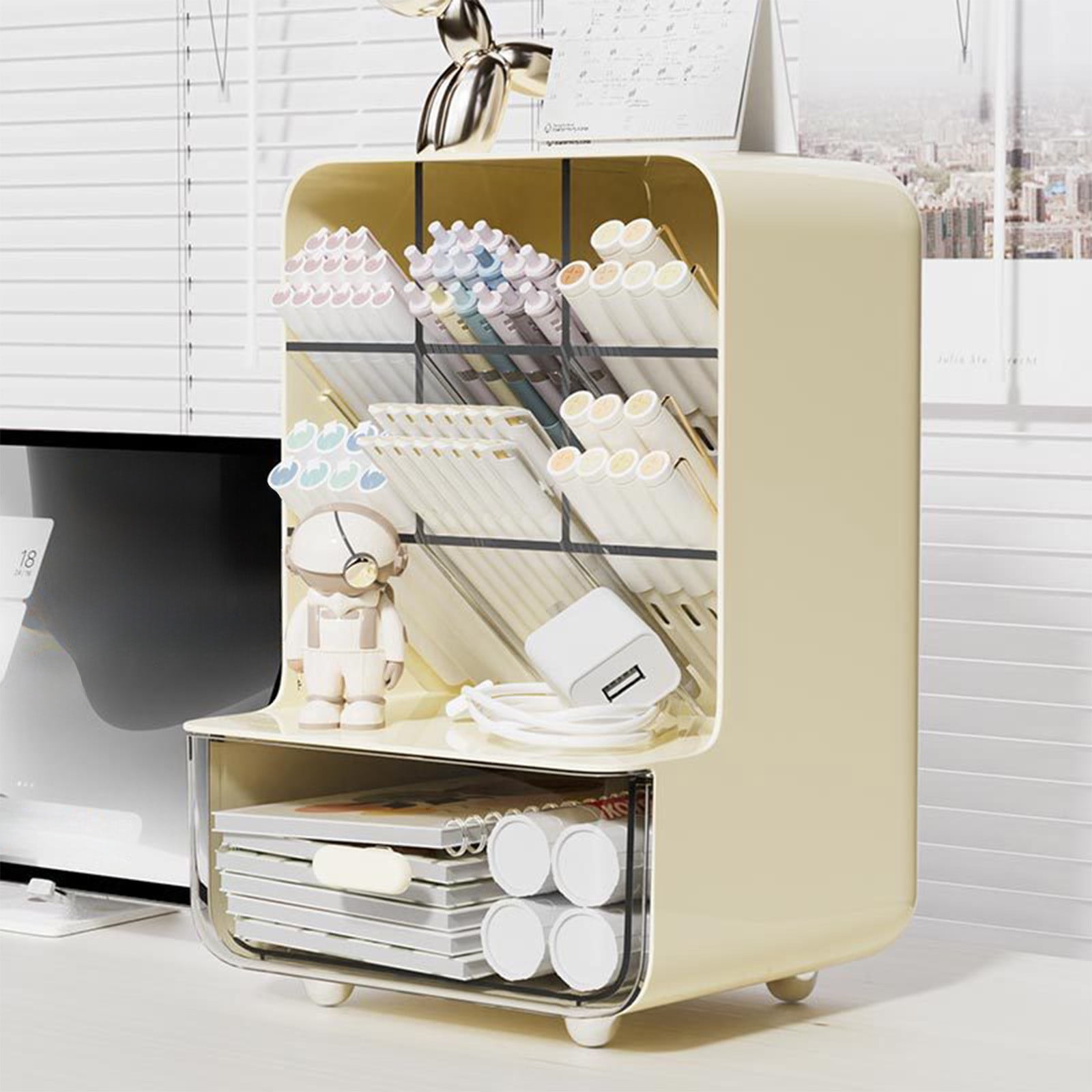
Sundries Storage Solutions: Organizing Your Space EfficientlySundries Storage Solutions: Organizing Your Space Efficiently

Proper sundries storage is essential for maintaining a neat and clutter-free environment. Whether you’re managing household essentials, office supplies, or warehouse inventory, an organized storage system improves efficiency and maximizes available space. This guide will help you implement smart storage techniques to keep everything in order.

1. Why Effective 收納 is Important

A well-structured storage system offers several benefits:

Maximizes space utilization

Improves accessibility and efficiency

Reduces clutter and stress

Prevents damage to stored items

With the right storage strategies, you can create a well-organized and functional space in your home, office, or business.

2. Sorting and Categorizing Sundries for Easy Access

Before organizing, it’s crucial to classify sundries based on their usage and frequency.

A. Everyday Essentials

  • Keep frequently used items in easily accessible storage.
  • Use clear containers or open shelves for quick identification.
  • Drawer organizers help separate smaller items such as pens, makeup, and tools.

B. Seasonal and Infrequently Used Items

  • Store holiday decorations, seasonal clothing, and specialty tools in labeled bins.
  • Utilize under-bed storage, attic space, or high shelves for items used occasionally.

C. Fragile and Special Items

  • Protect delicate objects with bubble wrap or padded storage boxes.
  • Store temperature-sensitive items in climate-controlled areas to prevent deterioration.

3. Best Storage Solutions for Small and Large Spaces

A. Transparent Storage Bins

  • Use stackable clear bins to quickly identify stored items.
  • Label each bin for better organization.

B. Adjustable Shelving Units

  • Install customizable shelves to accommodate various item sizes.
  • Use vertical space efficiently with wall-mounted racks.

C. Drawer Organizers and Dividers

  • Perfect for office supplies, kitchen utensils, and small accessories.
  • Prevents clutter and keeps everything in place.

D. Hanging and Wall Storage Solutions

  • Pegboards and hanging racks keep tools, accessories, and kitchenware organized.
  • Over-the-door organizers save space in bedrooms, bathrooms, and closets.

E. Under-Bed and Overhead Storage

  • Utilize under-bed containers for extra clothes, shoes, and linens.
  • Install ceiling-mounted storage racks in garages and basements for additional space.

4. Decluttering: The Key to an Organized Storage System

To prevent overcrowding, regular decluttering is essential. Follow these steps:

  1. Sort through stored items and remove anything unnecessary.
  2. Donate or recycle items that are no longer in use.
  3. Implement the “one in, one out” rule to maintain balance.
  4. Schedule periodic decluttering sessions to prevent accumulation.

5. Space-Saving Storage Tips for Different Environments

A. Home Storage Hacks

️ Store bulk pantry items in airtight, labeled containers.

️ Use floating shelves for books, decorations, and storage bins.

️ Organize clothes with slim hangers and drawer dividers.

B. Office & Workspace Storage

️ Keep important documents in labeled folders or digital storage.

️ Use cable management solutions for a tidy desk area.

️ Install magnetic strips or pegboards for office supplies.

C. Warehouse & Business Storage Solutions

️ Implement a FIFO (First-In, First-Out) inventory system.

️ Use industrial shelving and storage bins to optimize space.

️ Label all sections clearly to enhance workflow.

6. Maintaining a Well-Organized Storage System

To keep your storage system functional over time:

  • Reassess and reorganize storage arrangements periodically.
  • Label containers, bins, and shelves for quick identification.
  • Rotate stored items regularly to avoid long-term clutter.
  • Use moisture absorbers and pest control methods to protect stored goods.

By implementing these sundries storage strategies, you can keep your home, office, or warehouse neat and efficient.

The Growing Popularity of Self-Storage: A Practical Solution for Space ManagementThe Growing Popularity of Self-Storage: A Practical Solution for Space Management

In our increasingly cluttered world, space is at a premium. Whether you’re an individual trying to make the most of a small living area or a business looking to keep inventory organized, finding enough room to store your belongings is an ongoing challenge. That’s where self-storage comes in—a solution that has risen in popularity over the years for its convenience, affordability, and flexibility. This article explores the advantages of self-storage, the different types of units available, and why this service has become an essential part of modern life.

What is Self-Storage?

Self-storage refers to a service that rents out storage units to individuals or businesses, offering a place to store personal or commercial items. These units come in various sizes, from small lockers to large spaces that can hold entire households or business inventories. Self-storage is typically secure, with round-the-clock surveillance, and offers clients access to their stored items whenever needed, making it a practical and flexible solution.

Why Self-Storage is Becoming Essential

The growth of self-storage can be attributed to several factors that reflect changing lifestyles, increased mobility, and evolving business needs. Here are some of the key reasons why self-storage has become so indispensable:

1. Urban Living and Space Constraints

As cities expand, more people are choosing to live in urban areas where space is limited. High property prices, coupled with the trend of downsizing, mean that many people find themselves in smaller homes or apartments that cannot accommodate all of their belongings. Self-storage provides a convenient solution for urban dwellers by offering additional space to store seasonal items, furniture, or personal possessions that don’t fit into their living areas.

2. Flexible Storage for People on the Move

Whether you're relocating for a job, moving between apartments, or even traveling for an extended period, self-storage offers a practical way to store your belongings temporarily. Moving can be chaotic, and self-storage allows for a smooth transition. People can take their time packing, storing, and unpacking without the pressure of needing to immediately find space for everything.

3. Business Needs for Storage

For businesses, especially small or growing companies, finding space to store inventory, documents, and supplies can be challenging. Renting a traditional office or warehouse space can be expensive and unnecessary if the company only needs extra storage. Self-storage units offer an affordable alternative, allowing businesses to keep their stock, equipment, or records in a secure location while maintaining a minimal physical footprint.

4. Decluttering for Better Living

In a world that values minimalism and organization, self-storage helps people declutter their homes while keeping sentimental or valuable items they don’t need on a daily basis. By placing items in a self-storage unit, individuals can create a more streamlined and stress-free environment without having to part with things they hold dear.

5. Seasonal Items and Hobbies

Self-storage is ideal for storing seasonal items such as holiday decorations, ski equipment, or summer furniture that takes up valuable space during the off-season. Whether you need to clear space for winter coats or want a safe place to store your boating gear, a self-storage unit can help you keep your living area organized without throwing away valuable items.

Different Types of Self-Storage Units

Self-storage facilities offer various types of storage units to meet the diverse needs of their clients. Here are some common types:

1. Standard Storage Units

Standard storage units are the most commonly rented type and are non-climate controlled. These are ideal for storing items that aren’t overly sensitive to temperature changes, such as furniture, boxes, or seasonal decorations. They are often the most affordable option for customers who need basic storage.

2. Climate-Controlled Units

For individuals or businesses needing to store temperature-sensitive items like electronics, artwork, wine, or important documents, climate-controlled storage units are a must. These units are maintained at a stable temperature and humidity level, ensuring that delicate items aren’t exposed to extreme conditions. They’re especially useful in areas with fluctuating weather or high humidity.

3. Drive-Up Units

Drive-up units are storage spaces located on the ground level, allowing you to drive your vehicle right up to the unit’s door for easy loading and unloading. This makes them ideal for storing heavy or bulky items such as furniture or large equipment. The convenience of not needing to transport items through hallways or elevators makes drive-up units highly sought after.

4. Vehicle Storage

Self-storage doesn’t only apply to household items—many facilities also offer specialized units for storing vehicles. Whether you need to store a car, boat, RV, or motorcycle, self-storage units provide a secure place to park your vehicle when not in use. This is particularly useful for people who don’t have the space to park these large items at home or need a temporary solution during off-seasons.

5. Portable Storage Containers

Portable storage containers are another form of self-storage that offers great flexibility. These units are delivered to your home, where you can fill them at your own pace. Once packed, the container is either transported to a storage facility or stored at your location. This option is ideal for people who are moving or need storage during home renovations or long-term travel.

Key Benefits of Self-Storage

Self-storage services offer several benefits that make them an attractive option for many. Here are some of the key advantages:

1. Security and Protection

Self-storage facilities are typically equipped with 24/7 surveillance cameras, secure locks, gated access, and on-site staff to ensure the safety of your belongings. Climate-controlled units provide additional protection for temperature-sensitive items, further reducing the risk of damage.

2. Convenience and Accessibility

One of the main selling points of self-storage is the ease of access. Most self-storage units allow you to access your items whenever you need them, providing convenience whether you're storing items temporarily or for a longer period. Many facilities also offer online booking, allowing you to reserve a unit quickly and easily.

3. Affordability

Self-storage is a cost-effective alternative to renting larger homes or office spaces. For businesses, it’s more affordable than securing a full-sized warehouse. Individuals can store items without the added cost of keeping everything in their homes, and both personal and business users benefit from flexible, month-to-month contracts that avoid long-term financial commitments.

4. Customization

The wide range of unit sizes and types available allows customers to choose the perfect solution for their needs. Whether you’re storing a few boxes or an entire business inventory, there’s a self-storage unit that fits the bill. Furthermore, self-storage providers often allow customers to adjust their storage plans, giving them the ability to scale up or down depending on their changing needs.

5. Decluttering and Organization

Self-storage provides a space for those who want to declutter their homes, offices, or other spaces. By storing items you don't need on a daily basis, you can create a more organized and enjoyable living or working environment. For businesses, it ensures that inventory is easily accessible and not taking up valuable floor space.

Choosing the Right Self-Storage Facility

When looking for a self-storage solution, there are several factors to consider to ensure you get the best service for your needs:

  • Location: Select a facility that is conveniently located near your home, business, or travel route.
  • Security Features: Ensure the facility has strong security measures such as surveillance cameras, individual unit alarms, and controlled access gates.
  • Unit Size and Availability: Assess your storage requirements and ensure the facility offers the right size unit and availability when you need it.
  • Pricing: Compare prices and understand what is included in the rental fee, such as insurance, climate control, and other amenities.
  • Customer Service: Choose a facility with helpful, professional staff who can assist with questions and make the rental process smoother.

Conclusion

Self-storage has revolutionized the way we manage our space, offering a flexible, affordable, and secure solution to a wide range of storage needs. Whether you’re moving, decluttering, running a business, or simply in need of extra space, self-storage provides a convenient way to store your items without the need for permanent commitments. With its numerous benefits and options, 沙田迷你倉 has become a vital service for people and businesses alike, helping them make the most of their available space.