
Relaxation is an important part of maintaining a healthy and balanced lifestyle. After a long day of studying, working, or completing household responsibilities, people often look for enjoyable activities that help them feel comfortable and refreshed. Some prefer reading books, listening to music, watching movies, or spending time outdoors. Others choose digital entertainment because it is convenient and easily accessible. One increasingly popular option is playing games on smartphones and tablets.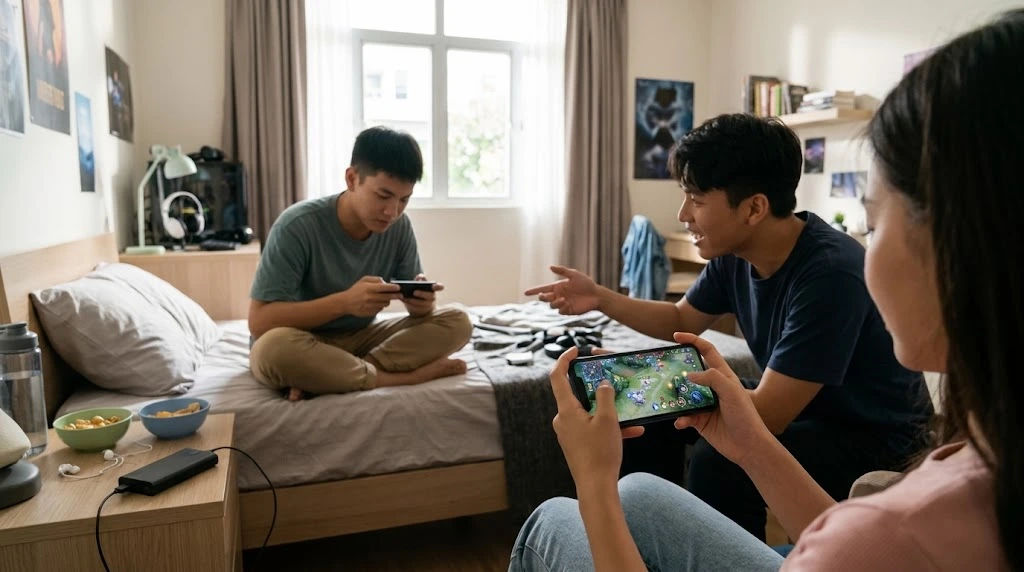
Mobile App Gaming has become a common way for people to enjoy their free time, take short breaks, and temporarily shift their attention away from everyday responsibilities. From simple puzzles and word games to creative simulations and adventure experiences, mobile games offer different forms of entertainment for different interests. Some games encourage concentration, while others provide peaceful environments and enjoyable challenges.
However, an important question remains: does playing mobile games genuinely help people relax, or can it sometimes create additional stress? The answer depends on the type of game, playing habits, personal preferences, and the amount of time spent on the activity. When approached responsibly, mobile gaming can become an enjoyable relaxation activity that supports mental refreshment and provides a welcome break from daily routines.
The Connection Between Gaming and Relaxation
Relaxation means giving the mind and body an opportunity to recover from physical effort, emotional pressure, and mental exhaustion. It does not always require complete silence or inactivity. Sometimes, enjoyable activities can help people feel refreshed by directing their attention toward something interesting.
Gaming provides an interactive form of entertainment. Unlike watching television, players actively participate by making decisions, solving problems, completing challenges, and exploring virtual environments.
This involvement can make gaming an enjoyable way to temporarily disconnect from everyday concerns.
Why People Use Games to Relax
People experience stress for different reasons. Academic responsibilities, professional deadlines, financial concerns, and personal commitments can make everyday life demanding.
Playing a simple game can provide a short mental break from these pressures. It gives players something enjoyable to concentrate on instead of continuously thinking about unfinished responsibilities.
For example, someone who has spent several hours studying might enjoy playing a peaceful puzzle game for ten minutes. The activity can provide a change of pace and help make the day feel less repetitive.
Entertainment and Emotional Comfort
Games can also create positive emotional experiences. Completing a level, discovering a new location, or solving a challenging puzzle can produce feelings of satisfaction.
These small achievements may improve someone's mood, particularly when the activity feels enjoyable rather than demanding.
Different people respond differently to games, so there is no single experience that guarantees relaxation. Choosing suitable entertainment is therefore important.
How Mobile Games Can Reduce Everyday Stress
Mobile App Gaming pk365 often increases when people feel overwhelmed by responsibilities or spend too much time concentrating on difficult tasks.
An enjoyable activity can interrupt this pattern by introducing something different into the daily routine.
Mobile games may provide this opportunity because they are accessible, varied, and often designed for short playing sessions.
Providing a Mental Break
One of the most noticeable benefits of gaming is the opportunity to temporarily shift attention.
When players concentrate on arranging puzzle pieces, matching objects, or completing a simple challenge, they become involved in the activity.
This change in attention may help them stop thinking about stressful situations for a short period.
For example, a person experiencing a demanding workday might play a relaxing matching game during a scheduled break. The activity offers a different mental experience without requiring extensive preparation.
However, gaming should complement healthy stress-management habits rather than replace sleep, exercise, or meaningful conversations.
Encouraging Positive Emotions
Enjoyable games can create feelings of excitement, happiness, curiosity, and achievement.
These experiences may contribute to a more positive mood. Games with attractive environments, gentle sounds, and achievable objectives can be especially enjoyable for people seeking peaceful entertainment.
Players should select experiences that make them comfortable rather than those that constantly demand attention or create frustration.
Offering Temporary Escapism
Sometimes people simply need a break from their surroundings.
Adventure games, simulation experiences, and virtual exploration can provide temporary escapism. Players can visit imaginary places, manage virtual gardens, build communities, or complete creative activities.
This experience can make free time more enjoyable.
Nevertheless, temporary escapism becomes less helpful when someone uses gaming to avoid important personal problems or responsibilities.
Types of Mobile Games That Support Relaxation
Not every game provides the same emotional experience. Some are designed around competition, fast reactions, and difficult challenges, while others emphasize creativity, exploration, and peaceful activities.
Understanding these differences can help players select games that suit their relaxation needs.
Puzzle and Matching Games
Puzzle games are popular because they combine entertainment with manageable mental challenges.
Players may need to arrange shapes, match colors, identify patterns, or solve logical problems. These activities encourage concentration and give the mind a specific task.
Simple puzzles can be particularly suitable for short breaks because players can often complete individual challenges without committing to long sessions.
However, extremely difficult puzzles may become frustrating. Choosing an appropriate difficulty level helps maintain an enjoyable experience.
Casual and Simulation Games
Casual games generally feature straightforward controls and accessible gameplay.
Simulation games allow players to manage gardens, decorate houses, organize virtual spaces, or care for imaginary characters.
These experiences can feel comfortable because they often provide gradual progress without requiring intense competition.
People who enjoy creativity may find these games particularly satisfying.
Word and Educational Games
Word games, vocabulary challenges, and trivia activities provide entertainment while encouraging mental engagement.
Players can discover new words, improve spelling, and practice remembering information.
These games can be enjoyable during short breaks because they combine learning with recreational activity.
However, educational challenges should remain enjoyable. Treating every game as another examination may reduce its relaxation value.
Nature and Exploration Games
Some games feature peaceful landscapes, natural environments, and relaxing background sounds.
Players may explore forests, beaches, mountains, gardens, or imaginary locations.
These environments can create a pleasant atmosphere, especially for individuals who enjoy nature-inspired experiences.
Although virtual environments cannot replace spending time outdoors, they may offer enjoyable entertainment when outdoor activities are unavailable.
Creative Building Games
Creative games allow players to design structures, decorate spaces, customize characters, and experiment with different ideas.
They can support self-expression by giving players freedom to make decisions without following a strict competitive objective.
Someone who enjoys art, architecture, or design may find these experiences especially engaging.
Mental Benefits of Relaxing Through Mobile Gaming
Gaming is primarily an entertainment activity, but certain types of games can also encourage useful mental skills.
These benefits depend on the game and the individual. They should not be considered guaranteed improvements in mental health or cognitive performance.
Improving Concentration
Many games require players to pay attention to details, recognize patterns, and follow instructions.
Puzzle and strategy games can encourage focused attention because players need to understand the situation before choosing their next action.
Short periods of enjoyable concentration may provide a welcome alternative to activities that require sustained professional or academic attention.
Encouraging Problem-Solving
Games frequently introduce small problems that players must solve.
These may involve finding the correct route, arranging objects, managing limited resources, or completing a sequence of tasks.
Such activities encourage players to consider different possibilities and learn from mistakes.
Although these experiences do not automatically translate into better real-world decision-making, they can make entertainment more mentally engaging.
Creating a Sense of Achievement
Completing a challenge can provide a feeling of progress.
Even small accomplishments, such as finishing a puzzle or unlocking a new decoration, may make recreational time feel rewarding.
This sense of achievement can be particularly enjoyable when everyday responsibilities involve long projects with limited immediate feedback.
Supporting Social Connection
Some mobile games allow friends and family members to participate together.
Players can exchange gifts, cooperate on challenges, share achievements, or enjoy friendly competitions.
These interactions may create opportunities for social connection.
For people who cannot meet regularly in person, cooperative gaming can provide another way to maintain contact.
However, social gaming should remain respectful and enjoyable rather than becoming a source of pressure.
Can Mobile App Gaming Sometimes Increase Stress?
Although gaming can support relaxation, it does not always produce positive results.
Certain features can make games emotionally demanding, particularly when players feel pressured to perform or continue playing.
Understanding these disadvantages is important for maintaining a healthy relationship with digital entertainment.
Competitive Pressure
Competitive games often involve rankings, timed challenges, and comparisons with other players.
These features can make gameplay exciting, but they may also create frustration.
Someone who repeatedly loses matches or feels pressured to maintain a high ranking may become more stressed instead of relaxed.
Players seeking peaceful entertainment should consider games that do not place excessive emphasis on competition.
Excessive Screen Time
Spending too much time looking at a smartphone can contribute to eye discomfort, headaches, and reduced opportunities for physical movement.
Extended screen use may also interfere with sleep, especially when gaming continues late into the evening.
Taking regular breaks and limiting recreational screen time can help reduce these problems.
In-App Purchases
Some games encourage players to purchase additional features, virtual currency, or special items.
Although optional purchases can improve certain experiences, frequent spending may create financial pressure.
Players should understand the difference between free content and paid features before making purchases.
Setting a spending limit can prevent entertainment from becoming an unnecessary financial burden.
Notifications and Daily Rewards
Some games use reminders, daily challenges, and limited-time events to encourage repeated participation.
These features can make players feel that they must return regularly to avoid missing rewards.
This pressure can reduce the relaxing nature of gaming.
Turning off unnecessary notifications and avoiding games with demanding reward systems may help players maintain better control over their habits.
How to Choose Games That Encourage Relaxation
Choosing the right game is one of the most important steps in making gaming a positive recreational activity.
A suitable game should match personal interests, provide enjoyable challenges, and allow players to stop whenever they want.
Consider Your Personal Preferences
Start by identifying the types of activities you naturally enjoy.
If you like solving problems, puzzle games may be a good choice. If you enjoy creative activities, simulation and building games might be more suitable.
People who prefer peaceful experiences may enjoy nature exploration and gentle storytelling.
The best option is not necessarily the most popular game. It is the one that makes your free time more enjoyable.
Check the Game's Difficulty
A game that is too easy may become boring, while one that is extremely difficult may create frustration.
Look for games that provide manageable challenges and allow gradual progress.
Adjustable difficulty levels can also help players create a comfortable experience.
Review Advertisements and Purchases
Before downloading a game, examine its advertising practices and payment options.
Some games display frequent advertisements that interrupt gameplay.
Others encourage repeated purchases through limited-time offers or reward systems.
Choosing a game with fewer interruptions can make recreational sessions more peaceful.
Understand Privacy and Safety Settings
A relaxing gaming experience should also be safe.
Players should review privacy permissions, account settings, and communication features before participating in online games.
Avoid sharing personal information with strangers, and use parental controls where appropriate for younger players.
A secure environment makes it easier to enjoy entertainment without unnecessary concerns.
Building Healthy Gaming Habits
Even enjoyable activities require balance.
A healthy gaming routine allows people to benefit from entertainment without neglecting responsibilities, relationships, or physical well-being.
Set Reasonable Time Limits
Decide how much time you want to spend playing before opening a game.
For example, a short session of 10 to 20 minutes may be sufficient for a recreational break.
The ideal duration depends on personal circumstances, daily responsibilities, and individual needs.
The important point is to avoid allowing gaming to take over the day.
Take Regular Breaks
Looking away from the screen and changing physical positions can make extended device use more comfortable.
Players should occasionally stand up, stretch, walk around, and rest their eyes.
These simple habits can help reduce physical discomfort.
Avoid Gaming Before Bedtime
Playing exciting games immediately before sleeping may make it harder for some people to settle down.
Bright screens, stimulating gameplay, and notifications can interfere with a comfortable bedtime routine.
Consider stopping gaming before bedtime and choosing quieter activities such as reading or listening to gentle music.
Balance Digital and Offline Activities
Gaming should be one part of a varied lifestyle.
Spending time with family, exercising, enjoying hobbies, reading, and participating in outdoor activities can provide different forms of relaxation.
A balanced routine also prevents digital entertainment from becoming the only way to manage boredom or stress.
Notice Your Emotional Response
Pay attention to how you feel before, during, and after playing.
If a game consistently leaves you frustrated, anxious, or exhausted, it may not be the right choice for relaxation.
Consider switching to a different type of entertainment or reducing your playing time.
The purpose of recreational gaming should be enjoyment, not unnecessary pressure.
Is Mobile Gaming Suitable for Different Age Groups?
People of different ages can enjoy mobile games, but their preferences and requirements may vary.
Selecting age-appropriate content and maintaining healthy habits are important for everyone.
Children and Teenagers
Children and teenagers may enjoy puzzle games, creative activities, educational challenges, and age-appropriate adventures.
Parents can help by checking game ratings, reviewing communication features, and setting reasonable screen-time boundaries.
Gaming should never replace homework, physical activities, sufficient sleep, or face-to-face social interaction.
Adults
Adults may use mobile games as a convenient way to enjoy breaks between professional and personal responsibilities.
Casual puzzles, word games, and simulation experiences can provide accessible entertainment without requiring extensive preparation.
However, adults should avoid allowing gaming to interfere with work schedules, family commitments, or sleep.
Older Adults
Older adults may enjoy games involving memory, word recognition, pattern matching, and logical thinking.
These activities can provide entertainment and opportunities for mental engagement.
Games with simple controls and adjustable text sizes may be more comfortable for people who prefer accessible interfaces.
Social games can also offer opportunities to connect with friends and relatives.
However, gaming should not be presented as a treatment for memory problems or other health conditions.
The Role of Mobile Technology in Relaxing Entertainment
Modern smartphones and tablets have made recreational gaming more accessible than ever.
Improved displays, responsive controls, and better sound systems allow developers to create different entertainment experiences.
Players can enjoy short games during breaks, while others can explore more detailed virtual environments.
Easy Access to Entertainment
One advantage of mobile gaming is convenience.
Players do not necessarily need a dedicated gaming computer or expensive equipment to enjoy simple recreational activities.
A compatible smartphone and an appropriate game may be enough.
This accessibility makes gaming a practical entertainment option for people with different budgets and lifestyles.
Personalized Gaming Experiences
Many games allow players to adjust sound levels, difficulty, appearance, and gameplay preferences.
These options can help create a more comfortable experience.
For example, someone seeking relaxation may disable competitive notifications, reduce background sounds, or select a slower game mode.
Personalization makes it easier to find entertainment that matches individual preferences.
Offline Gaming Opportunities
Not every relaxing game requires an internet connection.
Offline games can be useful when traveling, waiting for appointments, or spending time in places with limited connectivity.
They also reduce dependence on online interactions and may offer a more predictable recreational experience.
Players should check whether a game genuinely supports offline access before downloading it.
Practical Ways to Make Gaming More Relaxing
Small adjustments can significantly influence how enjoyable a gaming session feels.
Instead of approaching every game as a challenge that must be completed, treat it as an opportunity to enjoy free time.
Consider the following practical suggestions:
-
Choose peaceful games when feeling mentally tired.
-
Avoid competitive challenges when seeking a quiet break.
-
Play in a comfortable environment with suitable lighting.
-
Reduce unnecessary notifications and advertisements where possible.
-
Keep gaming sessions within reasonable time limits.
-
Avoid spending money simply to progress faster.
-
Take breaks between longer sessions.
-
Stop playing when a game becomes frustrating.
-
Include offline activities in your daily routine.
-
Protect bedtime by limiting late-night screen use.
These habits can help transform gaming from an uncontrolled distraction into a more intentional recreational activity.
Conclusion
Mobile gaming can help people relax when it is approached with the right expectations and healthy boundaries. It provides accessible entertainment, opportunities for mental engagement, and a convenient way to take short breaks from everyday responsibilities. Puzzle games, casual simulations, creative activities, and peaceful exploration experiences can be particularly enjoyable for people who prefer less competitive entertainment.
The benefits are not limited to entertainment alone. Certain games encourage concentration, problem-solving, creativity, and social interaction. Completing challenges and making progress can also create small moments of satisfaction that improve the overall recreational experience.
However, gaming is not automatically relaxing for everyone. Competitive pressure, excessive screen time, unnecessary spending, and constant notifications can turn an enjoyable activity into another source of stress. Recognizing these risks is essential for making sensible choices.
The most effective approach is to select games that match personal interests and create a comfortable playing routine. Setting time limits, taking regular breaks, protecting sleep, and maintaining offline hobbies can help preserve a healthy balance.
Ultimately, Mobile App Gaming can be a useful part of a relaxing lifestyle when it supports rather than replaces other healthy activities. It should provide enjoyment, not become an obligation. By choosing suitable games and playing responsibly, people can make their digital entertainment more satisfying while protecting their physical comfort, emotional well-being, and everyday priorities.