
A leather jacket can become more attractive as it ages, especially when a rich patina develops across its surface. Many people who appreciate premium outerwear, including classic Pelle Pelle jackets, value this natural aging process because it gives leather a unique appearance that cannot be completely recreated with new material.
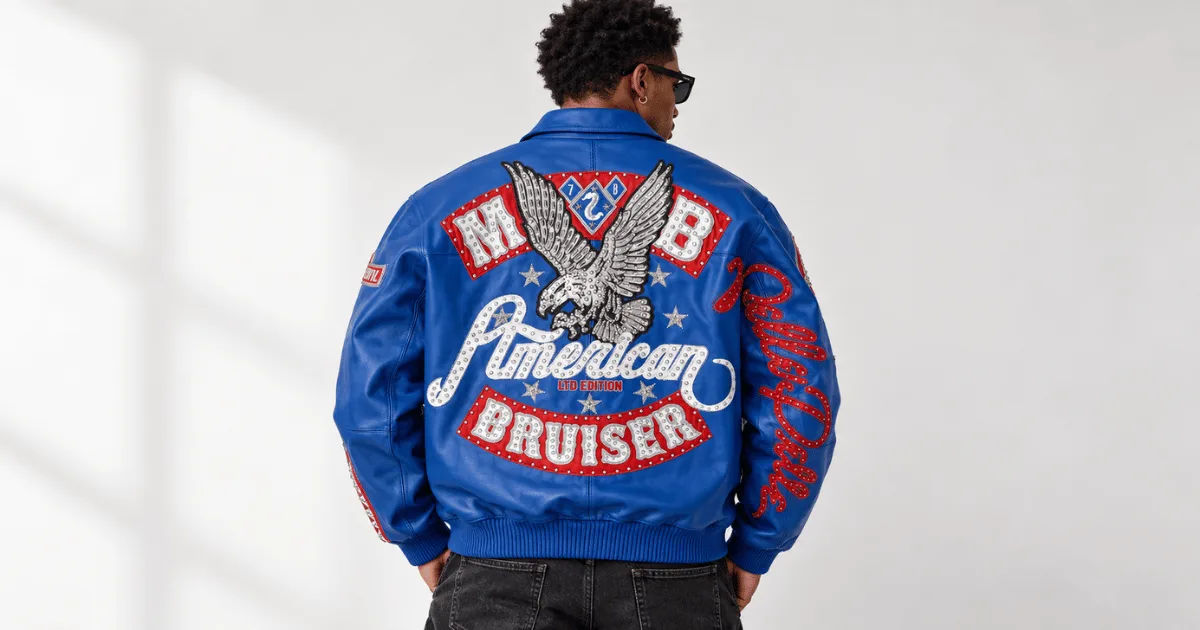
Patina is the gradual change in a leather jacket's color, texture, softness, and overall character caused by regular use, exposure, and care. Instead of making the jacket look old in a negative way, patina can make it look more personal and distinctive.
Every leather jacket develops patina differently. The type of leather, tanning process, finish, color, frequency of wear, and environmental conditions all influence how the surface changes over time.
Understanding this process can help you take better care of your jacket while allowing it to develop its natural character.
What Is Leather Patina?
Leather patina is the visible transformation that happens as leather ages. It can appear as subtle color variations, darker edges, softer areas, creases, scratches, and a natural sheen.
Unlike artificial distressing, genuine patina develops through real use. The areas that receive the most contact usually change first.
For example, the sleeves may develop noticeable creases around the elbows, while the collar can become darker because it regularly touches the wearer's neck. Pocket openings and cuffs may also develop distinctive changes.
With a high-quality jacket such as a Pelle Pelle design, these changes can become part of the garment's personality.
Patina should not be confused with damage. Normal aging can enhance leather, while neglect, excessive moisture, mold, or improper storage can cause genuine damage.
Why Does Patina Develop?
Several physical and environmental factors work together to create patina.
Leather is a natural material. It contains fibers, oils, and other components that respond to movement, friction, moisture, sunlight, and handling.
As you wear a jacket, the leather repeatedly bends and stretches. This movement changes the surface and gradually creates softer areas and visible creases.
Natural oils from your skin can also transfer onto the leather. These oils may slightly darken certain areas and contribute to the smooth appearance that develops with age.
Friction is another major factor. When the jacket rubs against car seats, bags, furniture, or other clothing, the surface finish can gradually change.
A Pelle Pelle leather jacket that is worn regularly may therefore develop a different patina from a similar jacket that remains stored in a closet.
The Role of Leather Type
Not all leather develops patina in the same way.
Full-grain leather generally has a natural surface that can show aging clearly. Because its surface retains much of the original grain, marks and color changes can become part of its appearance.
Top-grain leather has usually been processed more than full-grain leather, so its patina may develop differently depending on the finishing process.
Suede and nubuck also age, but their changes are primarily visible through texture, shading, and changes in the nap rather than the glossy surface commonly associated with smooth leather.
The finishing method used by the manufacturer is equally important. Two jackets made from similar hides can develop very different appearances because their finishes and dyes are different.
This is one reason a Pelle Pelle jacket can develop a distinctive look after years of regular wear.
How Wear Creates Patina
Daily movement is one of the biggest contributors to patina.
Every time you put on a leather jacket, its material bends around your shoulders, elbows, waist, and arms. Repeated movement gradually creates natural creasing.
Sleeves and Elbows
Sleeves often show aging quickly because the arms are constantly moving.
Bending your elbows creates repeated folds in the same areas. Over time, those folds become softer and more visible.
The surface may also become slightly lighter or darker depending on the leather's original finish.
Collar
The collar receives frequent contact with skin, hair, scarves, and other clothing.
Body oils and friction can cause the collar to develop a deeper tone and smoother texture. This is a common characteristic of an older leather jacket.
Cuffs
Cuffs experience repeated movement and contact with hands and other surfaces.
As the cuffs bend and rub against objects, they can develop wrinkles, darker edges, and a softer feel.
Pockets
Pocket areas can develop patina because they experience frequent contact with hands.
The edges of pockets may become smoother and more polished, while the surrounding leather may develop subtle color variation.
How Body Oils Affect Leather
Human skin naturally produces oils. When you wear a leather jacket regularly, some of these oils transfer onto the material.
Small amounts of natural oil can help keep certain types of leather flexible. However, excessive oil and dirt can create greasy or uneven areas.
The collar and cuffs usually receive the most exposure because they have direct contact with the body.
Over many years, this contact can contribute to a darker, smoother appearance.
A well-maintained Pelle Pelle jacket may develop attractive variations because of this natural interaction between the wearer and the leather.
How Friction Changes the Surface
Friction is another important part of patina development.
When a jacket rubs against a vehicle seat, backpack strap, chair, desk, or another surface, microscopic changes occur in the leather's finish.
Areas that experience frequent rubbing may become smoother or slightly lighter.
The effect can be especially visible on shoulders, elbows, pocket edges, and sides of the jacket.
This does not mean you should deliberately rub your jacket to create patina. Artificially forcing the process can create uneven results or permanently damage the leather.
Natural wear usually produces a more convincing appearance.
Sunlight and Patina
Sunlight can also affect leather.
Ultraviolet light may gradually change dyes and finishes. Depending on the leather and color, sunlight can cause certain areas to fade, deepen, or develop warmer tones.
A jacket that is regularly exposed to sunlight may therefore develop a different appearance from one stored indoors.
However, prolonged direct sunlight is not recommended. Too much UV exposure can dry leather and weaken its finish.
If you want your Pelle Pelle jacket to age naturally, moderate everyday exposure is very different from deliberately leaving it in direct sunlight for extended periods.
Moisture and Environmental Conditions
Humidity can influence leather aging.
Moderate environmental humidity is generally better than extremely dry or extremely damp conditions. Very dry environments can contribute to leather becoming stiff, while excessive humidity can encourage mold and unpleasant odors.
Rain can also affect leather. Some jackets handle small amounts of moisture well, but soaking a leather jacket can cause problems if it is not dried correctly.
If your jacket becomes wet, allow it to dry naturally at room temperature. Avoid using a hair dryer, heater, or radiator because intense heat can cause leather to dry too quickly and become damaged.
Why Creases Are Important
Creasing is one of the most recognizable signs of natural leather aging.
A new jacket may look relatively smooth and structured. After repeated wear, it begins to form folds in places where the body naturally moves.
These creases are not necessarily flaws.
In fact, they can make a jacket look more comfortable and lived-in. A Pelle Pelle jacket with years of wear may show a unique pattern of creases that reflects the owner's movements and lifestyle.
No two jackets are likely to develop exactly the same crease pattern.
How Leather Color Changes
Color transformation is another major part of patina.
Dark leather may develop subtle variations in tone. Brown leather can become richer and warmer. Some finishes may gradually reveal lighter areas underneath as the surface experiences friction.
The exact result depends heavily on the original dye and finish.
A jacket with a heavily coated surface may show relatively little traditional patina because the coating hides some of the underlying leather.
A more naturally finished leather may show much stronger changes.
This explains why two different Pelle Pelle jackets can age in noticeably different ways.
Does Patina Mean the Jacket Is Damaged?
Not necessarily.
Patina is generally considered a normal part of leather aging. Scratches, creases, mild color variation, and increased softness can all be desirable characteristics.
Damage is different.
Deep cuts, peeling finishes, cracking, mold, severe staining, and weakened leather fibers indicate problems rather than attractive aging.
Learning to distinguish patina from damage is important.
For example, a soft crease across an elbow is normal. A deep crack that exposes the underlying leather is a warning sign.
How to Encourage Natural Patina
The best way to develop patina is simply to wear the jacket.
Regular use creates authentic changes naturally. You do not need complicated techniques.
Wear the jacket during normal activities and allow it to move naturally with your body.
Store it properly when you are not wearing it. Use a suitable broad hanger that supports the shoulders and keep the jacket away from excessive heat and moisture.
Avoid intentionally scratching, soaking, or aggressively rubbing the material.
With patience, your Pelle Pelle jacket can develop character without unnecessary artificial treatment.
How Proper Care Supports Patina
Good maintenance does not stop patina. Instead, it helps ensure that the jacket ages in a healthy way.
Keep the leather clean by gently removing dust and surface dirt with an appropriate soft cloth.
Use leather conditioners only when suitable for the specific leather and finish. Applying too much conditioner can make the surface greasy or alter its appearance.
Always check the manufacturer's care instructions before using cleaning or conditioning products.
When uncertain, test a product on a small, hidden area first.
Proper care can help your Pelle Pelle jacket remain flexible while its natural character continues to develop.
What Should You Avoid?
Some methods advertised online for creating instant patina can cause permanent damage.
Avoid deliberately soaking the jacket in water. Do not place it near a radiator or use high heat to accelerate drying.
Do not use household cleaning chemicals, alcohol, bleach, or harsh detergents unless the manufacturer specifically recommends them.
You should also avoid excessive conditioning. More product does not automatically mean better care.
Artificially scratching leather can create marks that look unnatural and may weaken the surface.
Patina is valuable partly because it takes time. Trying to create years of aging in a few days can produce disappointing results.
How Long Does Patina Take to Develop?
There is no universal timeline.
Some jackets begin showing noticeable changes within months of frequent use. Others may take several years before their aging becomes obvious.
The speed depends on how often the jacket is worn and how much physical contact it receives.
Leather type and finishing also have a major effect.
Someone who wears a Pelle Pelle jacket several times each week may notice changes much sooner than someone who wears the same jacket only a few times each winter.
Storage conditions, climate, and maintenance habits also influence the process.
Can You Remove or Reverse Patina?
Some aspects of patina can be reduced, but completely reversing natural aging is usually unrealistic.
Surface dirt can often be cleaned. Certain stains may be professionally treated. Conditioning can sometimes improve dryness and restore flexibility.
However, established creases, color changes, and wear patterns are part of the leather's history.
Trying to make an old jacket look completely new may require refinishing, which can change the original character of the material.
For many leather enthusiasts, that character is exactly what makes an older Pelle Pelle jacket appealing.
Patina Makes Every Jacket Unique
One of the most interesting things about leather patina is that it records use.
Two people can purchase identical jackets and wear them for the same number of years, yet their jackets may look completely different.
One person may develop strong elbow creases because of frequent driving. Another may create distinctive shoulder wear from carrying a bag.
Someone who regularly keeps their hands in the pockets may produce more visible wear around those areas.
Climate and lifestyle add further differences.
As a result, an aging Pelle Pelle jacket becomes more than a piece of clothing. Its surface can reflect how and where it has been worn.
Professional Care for Older Leather
Professional leather cleaning can be useful when a jacket has serious stains, odors, or other concerns.
A specialist can evaluate the leather type and determine which cleaning or restoration method is appropriate.
Professional services may also help with damaged finishes, significant scratches, or areas that have become excessively dry.
It is especially important to use a professional when dealing with expensive or heavily detailed jackets.
Attempting an aggressive repair at home could permanently change the color or finish of a valuable Pelle Pelle jacket.
Conclusion
Leather patina is a natural result of time, movement, contact, and environmental exposure. It develops gradually as the leather responds to the way a jacket is worn and cared for.
Creases form around moving areas such as elbows and shoulders. Collars and cuffs can become smoother because of repeated contact. Pocket edges experience friction, while sunlight and environmental conditions can contribute to gradual color changes.
The most important thing to remember is that good patina should not be confused with damage. Natural aging can make leather softer, richer, and more distinctive, while neglect can lead to cracking, mold, peeling, or other serious problems.
A Pelle Pelle jacket can develop an especially personal appearance when it is worn regularly and maintained correctly. Instead of trying to force the aging process, allow the leather to change naturally.
Clean it carefully, condition it only when appropriate, protect it from excessive moisture and heat, and store it correctly. Most importantly, wear it.
Over time, the small marks, folds, tonal variations, and soft areas become part of the jacket's story. That is the real appeal of leather patina: it is not simply a change in appearance but a visible record of use and time.
A well-aged Pelle Pelle jacket can therefore offer something a brand-new jacket cannot completely reproduce—the individuality that comes from years of real wear. When cared for properly, that character can continue developing for many years while the jacket remains comfortable, functional, and visually distinctive.